
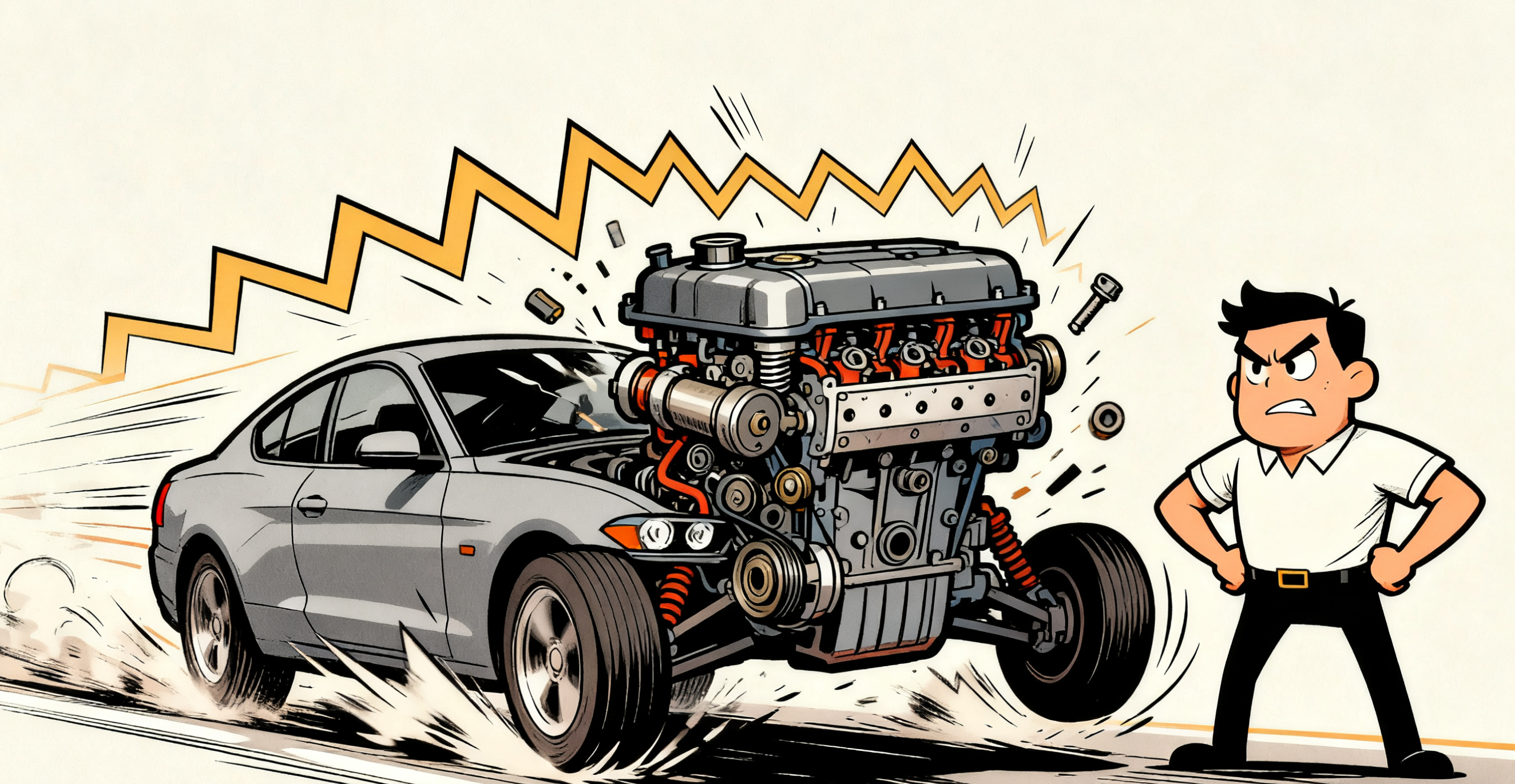
Many vehicle owners feel perplexed and concerned when they notice oil leakage issues in their cars. This article provides insights into addressing the problem of oil seepage in the turbo intake pipe of BMW Bseries engines.
Problem Description

Repair plan
-
Cleaning and Replacing the Seal Ring:
For minor oil seepage, disassemble the turbo intake pipe, clean it thoroughly, and replace the seal ring with the latest version (shown as part 7 in the diagram). -
Replacing the Intake Pipe Assembly:
For vehicles with higher mileage, it is recommended to replace the entire intake pipe assembly (shown as part 6 in the diagram). Since the intake pipe is made of plastic, prolonged use can lead to aging or even cracking. Replacing the assembly provides a more effective solution and mitigates potential risks.

What Causes Turbo Boost Leak?
The turbocharging system is a critical component for enhancing the performance of modern engines, but issues such as boost leak can arise during operation. The primary causes of oil seepage in the turbo intake pipe of BMW Bseries engines include:
- Low Efficiency of the Oil Separator: Ineffective oil separation allows engine oil to enter the intake pipe.
- Aging Seals: Worn Orings and gaskets lead to air leakage.
- Loose Connections: Insecure connections within the turbocharging system result in air escaping.
- Cracks or Holes: Damaged hoses or pipes cause air leakage.
- Improper Driving Habits: Frequent short trips or lowload driving reduce system efficiency.
How Do I Know if I Have a Boost Leak?
- Check Engine Light Activation: The check engine light may illuminate due to sensor malfunctions or wiring issues. However, if accompanied by other irregularities, it is advisable to inspect the turbocharging system.
- Reduced Power Output: A lack of acceleration or noticeable decline in engine performance may indicate air leakage from the turbocharging system, impairing the functionality of the turbocharger.
- Hissing Noise: A pronounced hissing sound from the engine bay is a typical symptom of boost leak. This noise is often more noticeable during driving or acceleration.
- Engine Overheating: Elevated engine operating temperatures could result from the turbocharger working under excessive load, reducing efficiency and potentially causing damage to the turbocharger.
- Increased Fuel Consumption: Boost leak decreases engine efficiency, often requiring more fuel to compensate for the power loss, thereby leading to higher fuel consumption.
- Abnormal Exhaust Smoke: Excessive exhaust smoke, particularly dense black smoke or unusual odors, may be caused by air intake system leaks disrupting the combustion process.
Summary:
Oil seepage in the turbo intake pipe of BMW engines is a relatively common issue in turbocharged engines. While not a widespread defect, it is a matter that warrants attention from vehicle owners. Regular maintenance and proper care can significantly reduce the likelihood of such problems occurring.
For highmileage vehicles, replacing the entire intake pipe assembly may be a more reliable solution. Vehicle owners are also encouraged to monitor their engine's performance during daily use to prevent minor issues from escalating into major faults.
We welcome you to share your thoughts and experiences. If you have any questions about repairs for BMW or other vehicle models, we are here to assist you!
Share:
How to Fix a BMW Transfer Case Oil Leak
Exploring BMW's Audio System Through the MGU Architecture