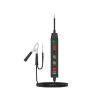




Voltage, Polarity, Continuity and Contact Temperature From One Probe
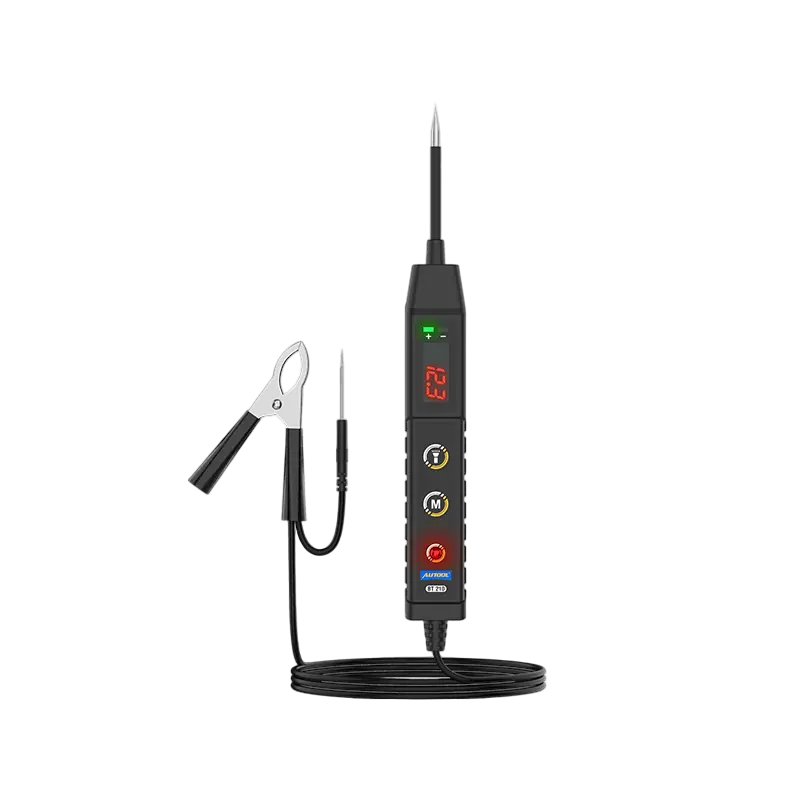
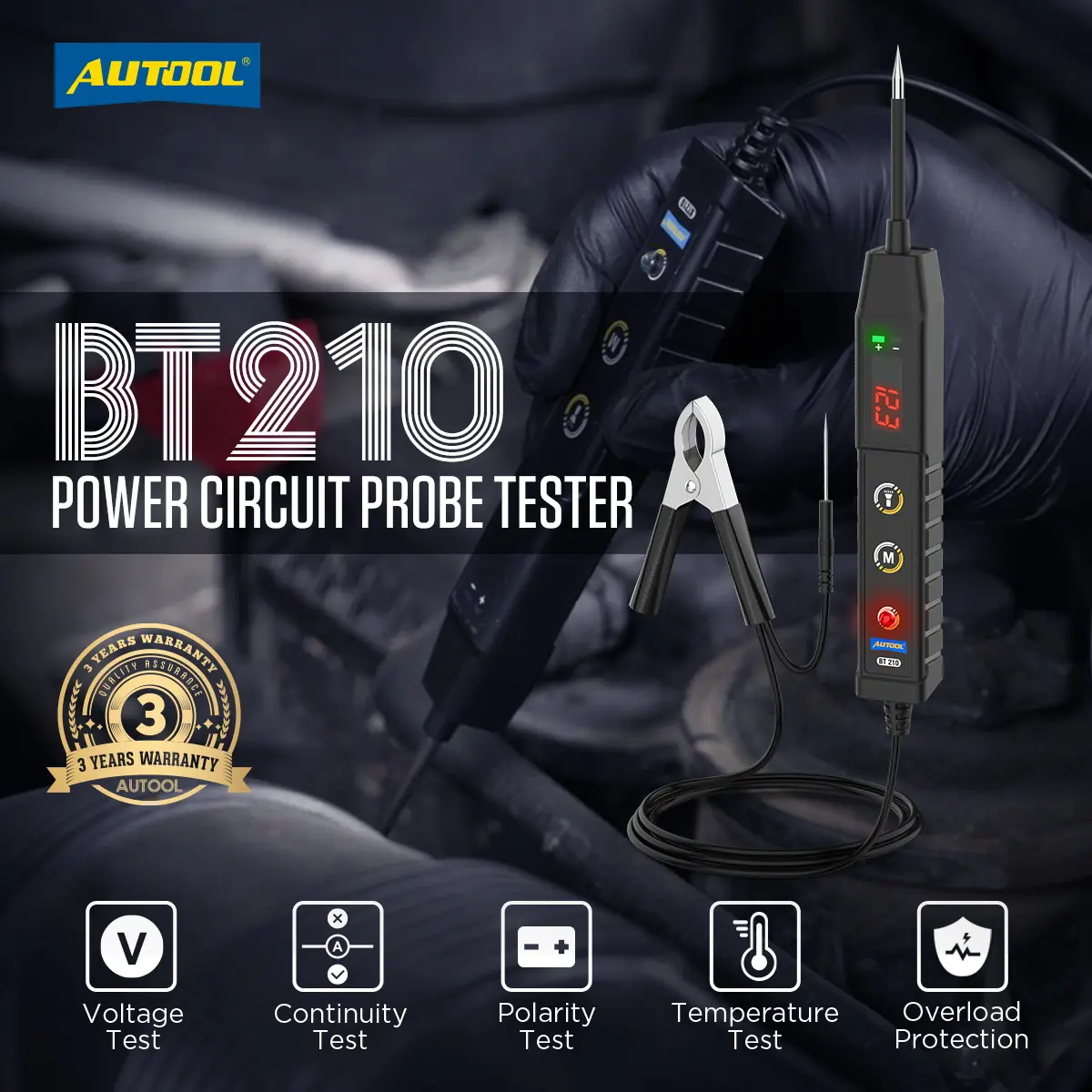
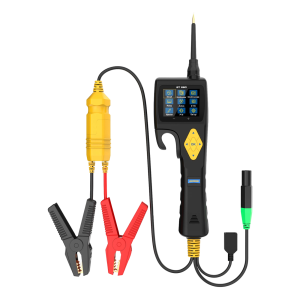
The BT210 checks 9–30 V DC vehicle circuits on cars, trucks and motorcycles and shows the result on the probe body, with a light at the tip for dark engine bays and footwells. DC circuits only.
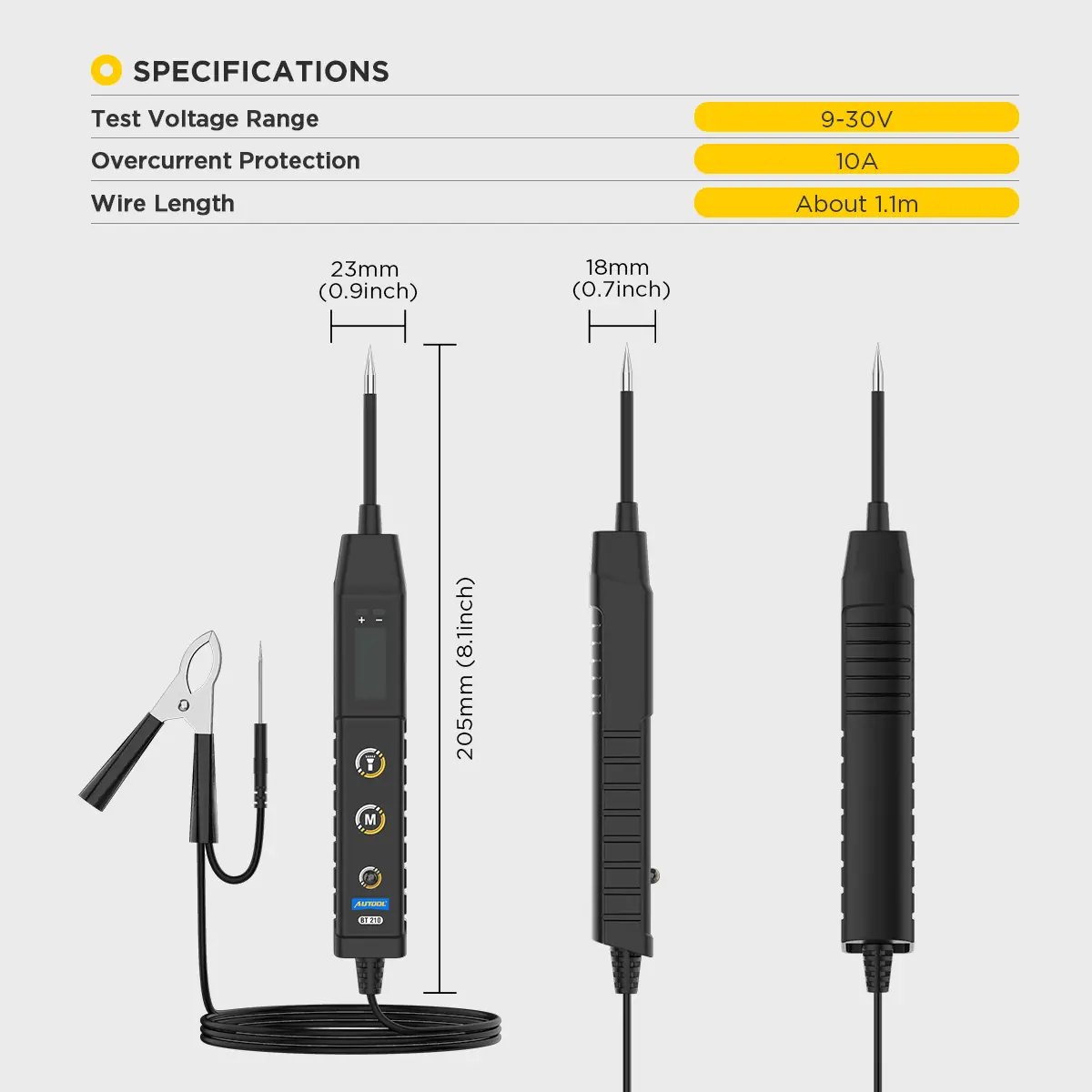
- 9–30 V DC
- 4 Test Modes
- Probe-Tip Temperature
- Built-In Probe Light
- 1.1 m Lead
Key Features
-
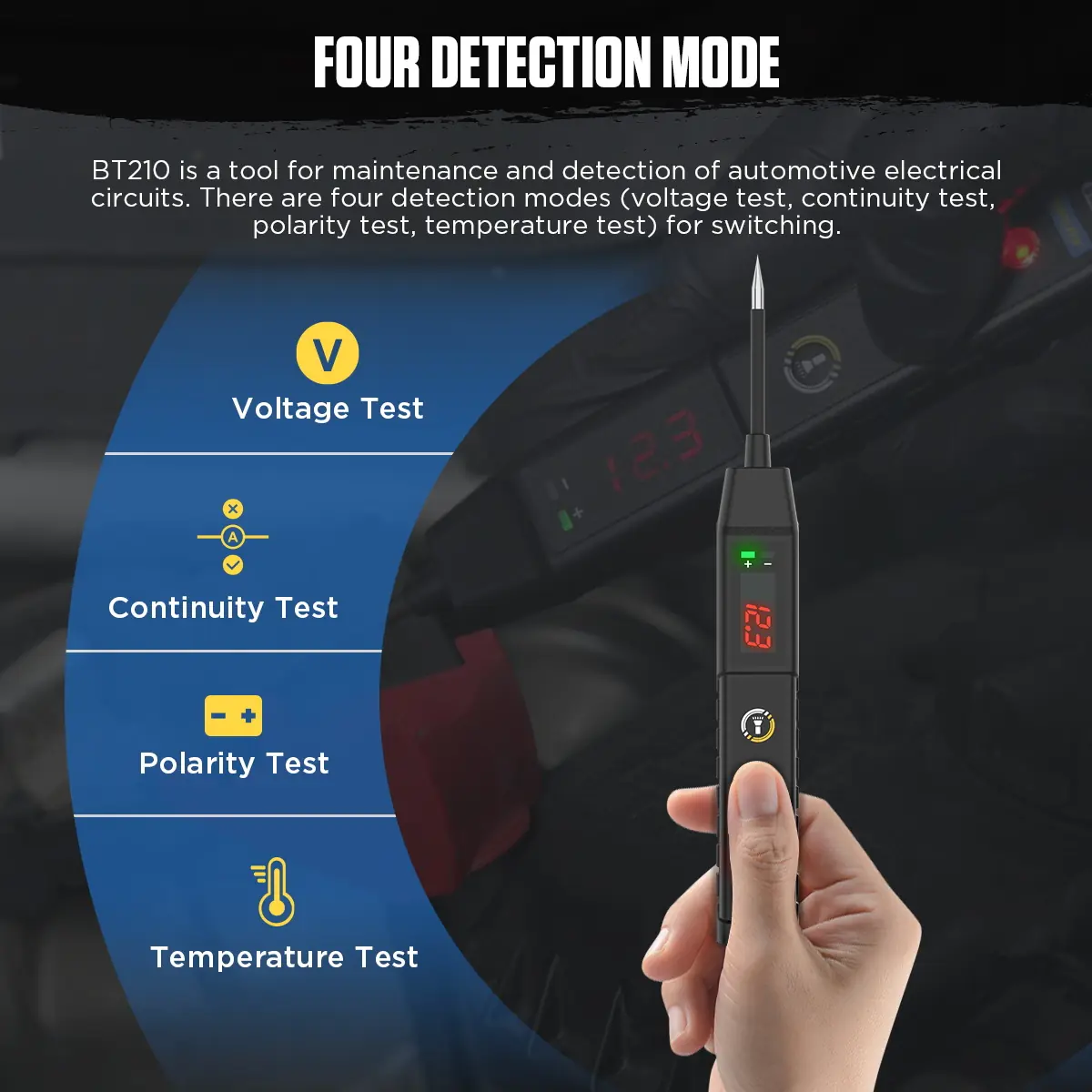
Voltage Test
Reads circuit voltage directly within the 9–30 V DC range.
-
Continuity Test
Indicator on means a closed or real circuit; indicator off means an open or virtual circuit.
-
Polarity Test
Green marks the positive pole, red the negative.
-
Contact Temperature
A sensor at the probe tip reads the temperature of the point it touches.
-
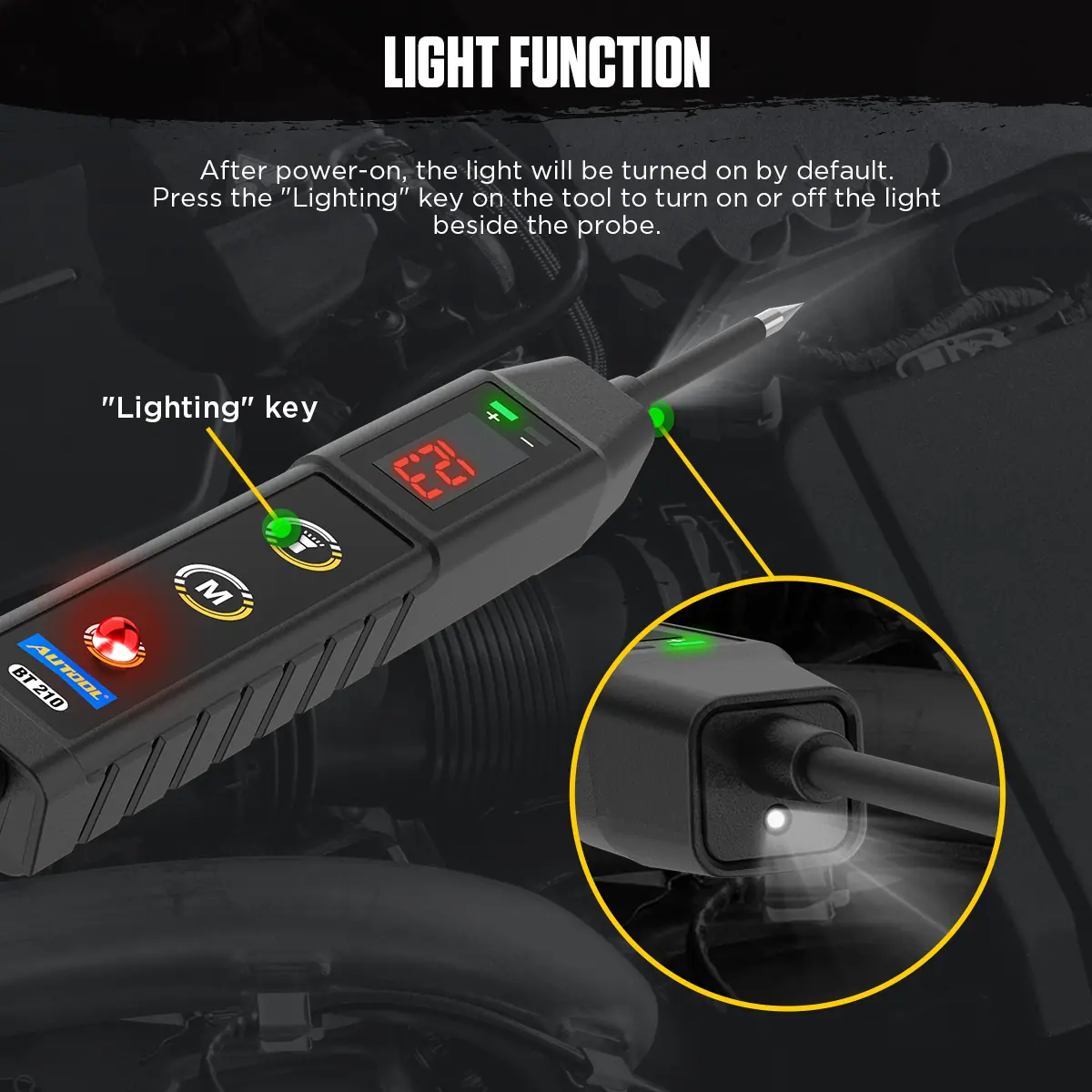
Probe Light
On by default at power-up; the Lighting key switches it on or off.
-
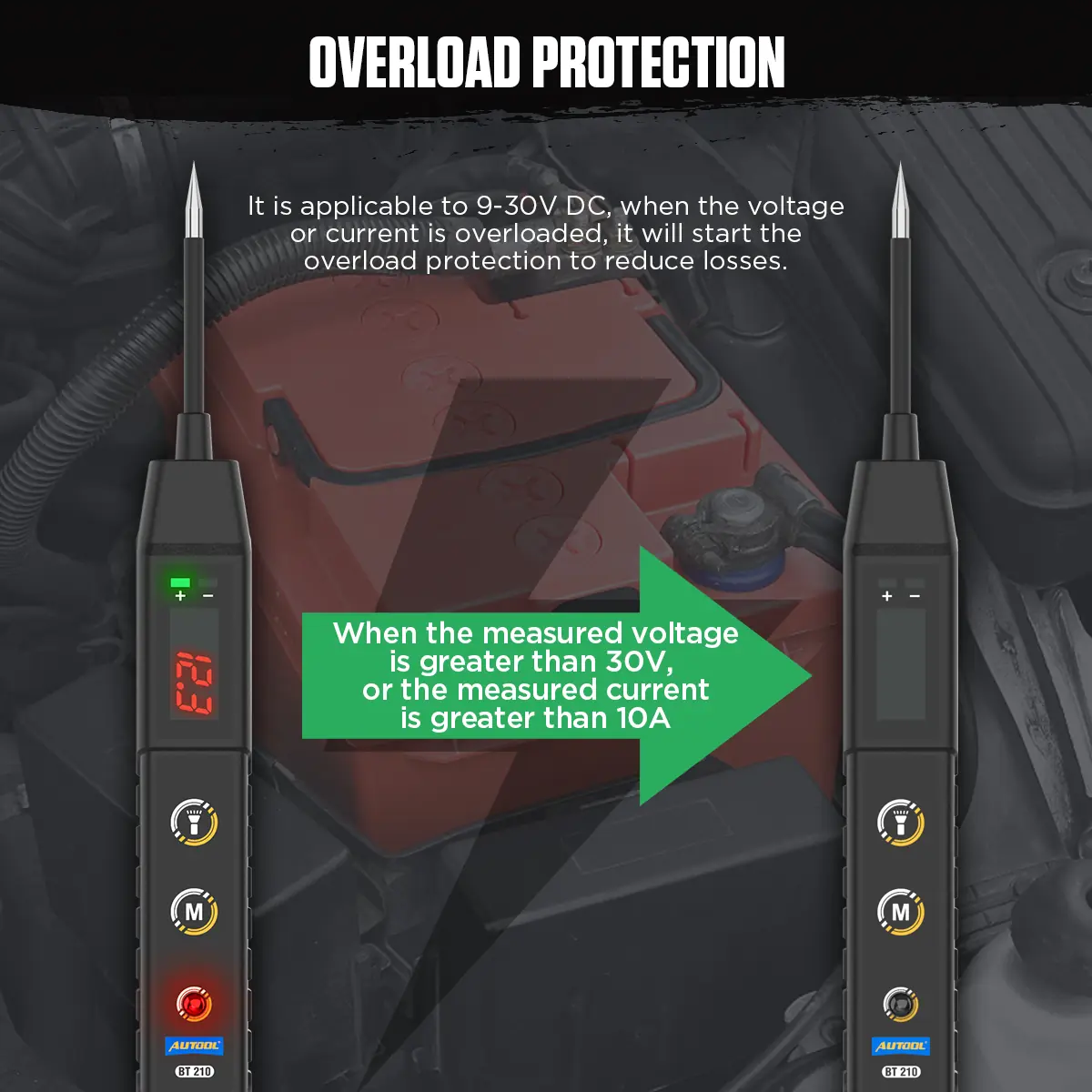
Overload Self-Protection
Protects the tester when voltage exceeds 30 V or current exceeds 10 A. Press the M key to switch modes.
Model Comparison
| BT160 | BT210 | BT250 | |
|---|---|---|---|
| Operating voltage | 6–24 V | 9–30 V | 9–30 V |
| Cable length | 4 m | 1.1 m | 1.5 m |
| Temperature test | No | Yes | No |
| Grounding test | Yes | No | Yes |
| Diode test | Yes | No | Yes |
| Resistance range | No | No | 0–200 kΩ |
| TFT color display | No | No | 1.65 in |
| LED light | No | Yes | Yes |
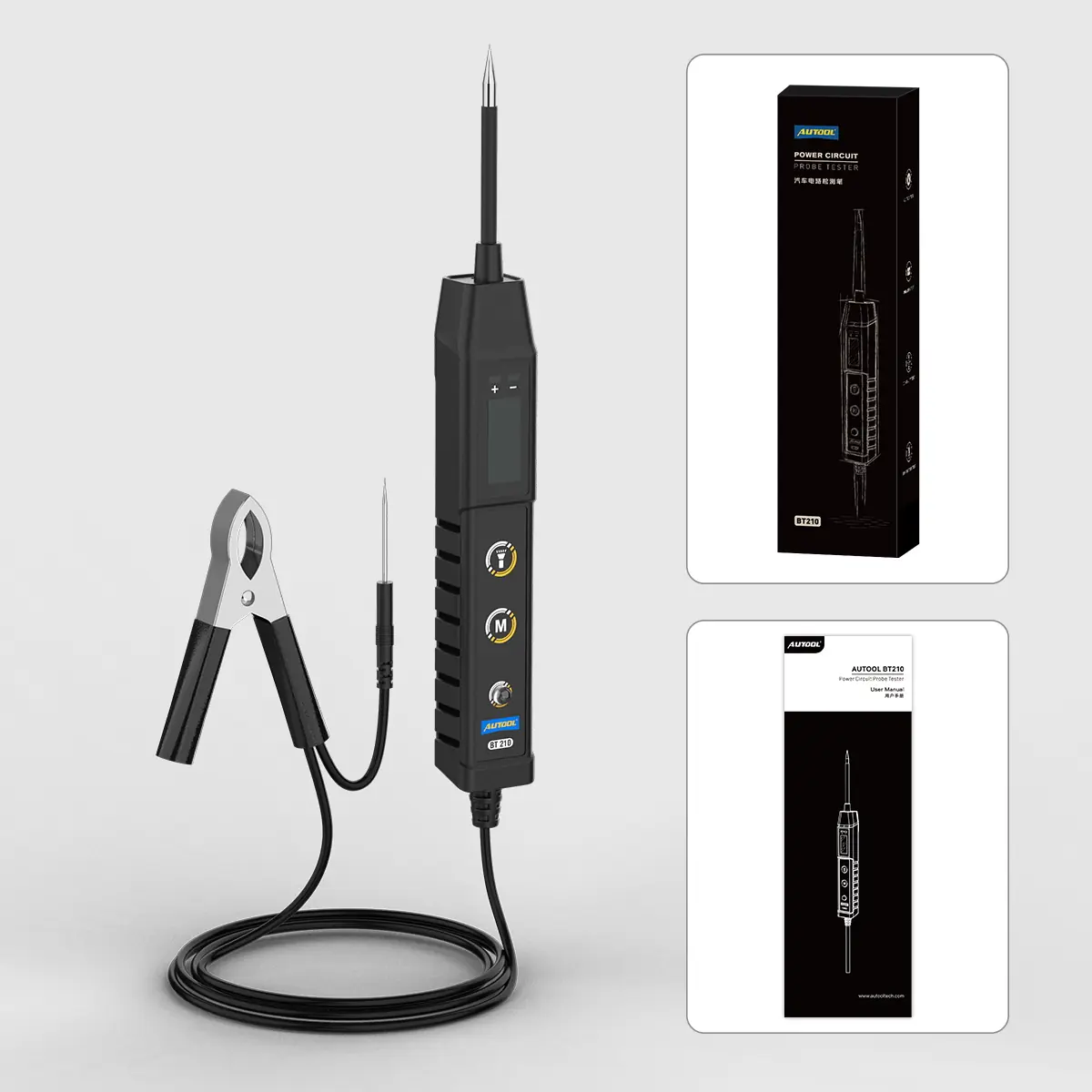
What’s in the Box
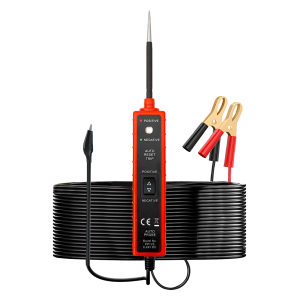
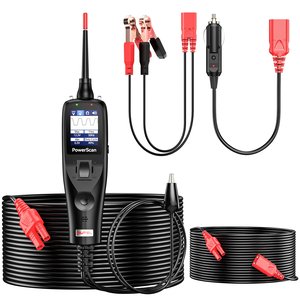
- 1×BT210 tester with attached probe and cable
- 1×Ground clamp
- 1×User manual
How to Use
- Identify the circuitUse the wiring diagram to find the conductor, reference point and expected state.
- Choose the modeSelect voltage, polarity, continuity or temperature with the M key and confirm the circuit is within range.
- Connect the probeMake a secure contact without bridging adjacent terminals or damaging the connector.
- Run the checkUse only the four measuring modes; the BT210 does not apply power, ground or signals.
- Confirm the findingUse the reading to choose the next check and confirm any open, short or component fault at the circuit.
Test modes and troubleshooting: BT210 user manual (PDF).
Good to Know
Caution
- Do not use on AC circuits or on DC circuits above 30 V.
- The probe can spark; keep it away from combustible gas, dust and explosive atmospheres.
- Stop using the tester if the body or lead is damaged.
- The probe tip is sharp; handle and store it carefully.
Care
- Check and tighten connected parts regularly, avoid corrosive liquids and rough surfaces, and store dry and ventilated.




 English
  German
  Spanish