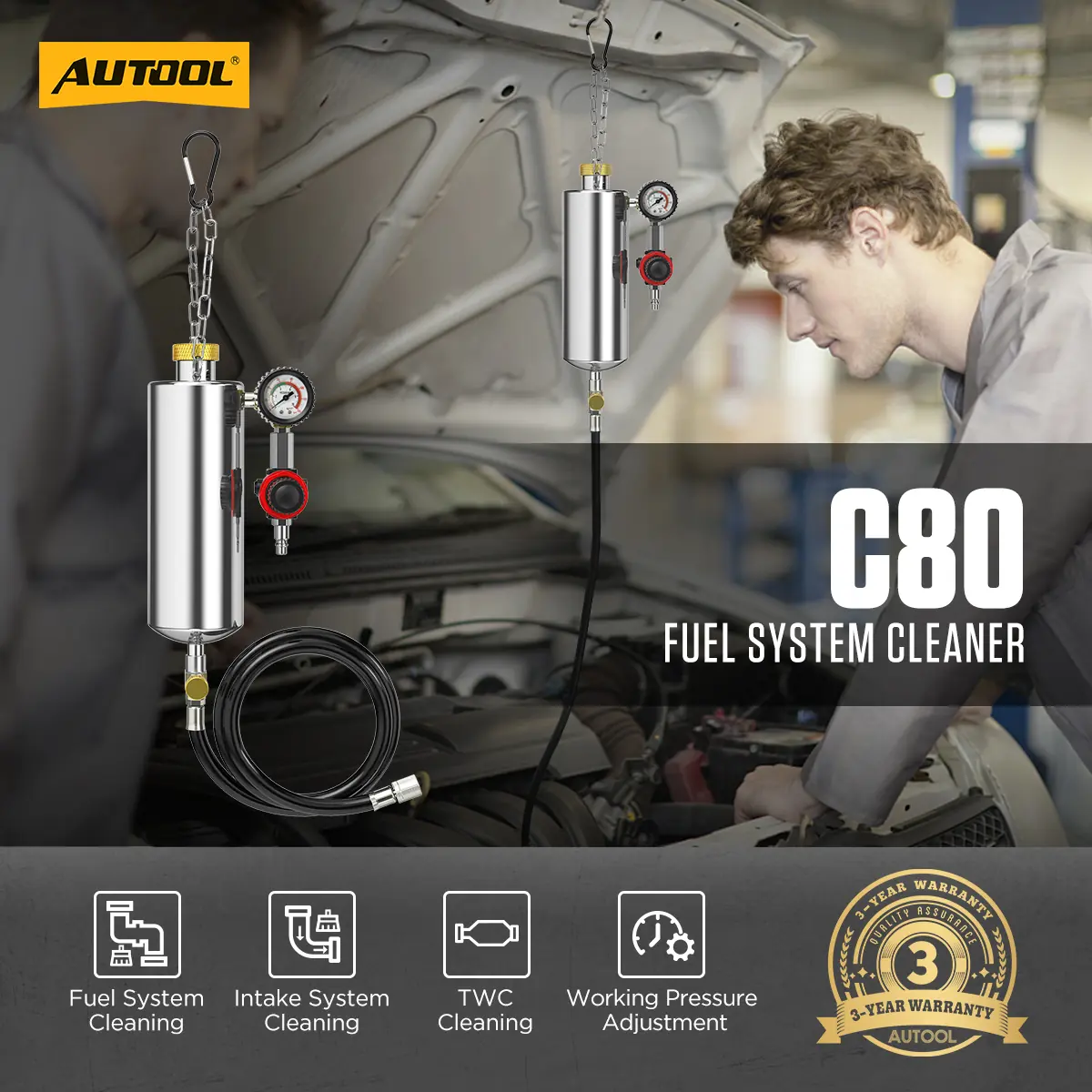
Clean Gasoline EFI Systems On the Vehicle Without Removing Injectors
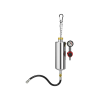
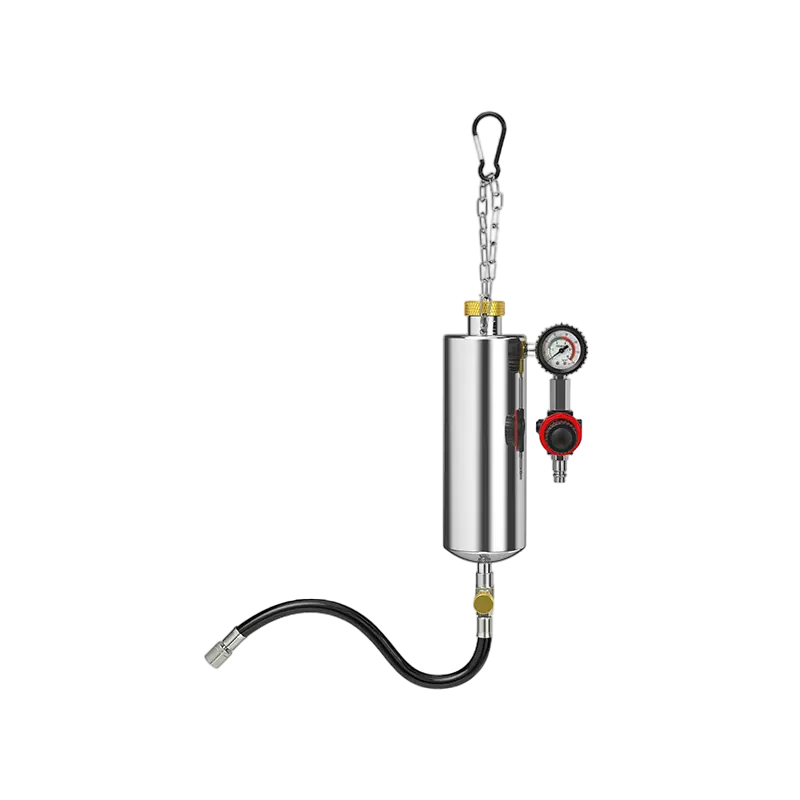
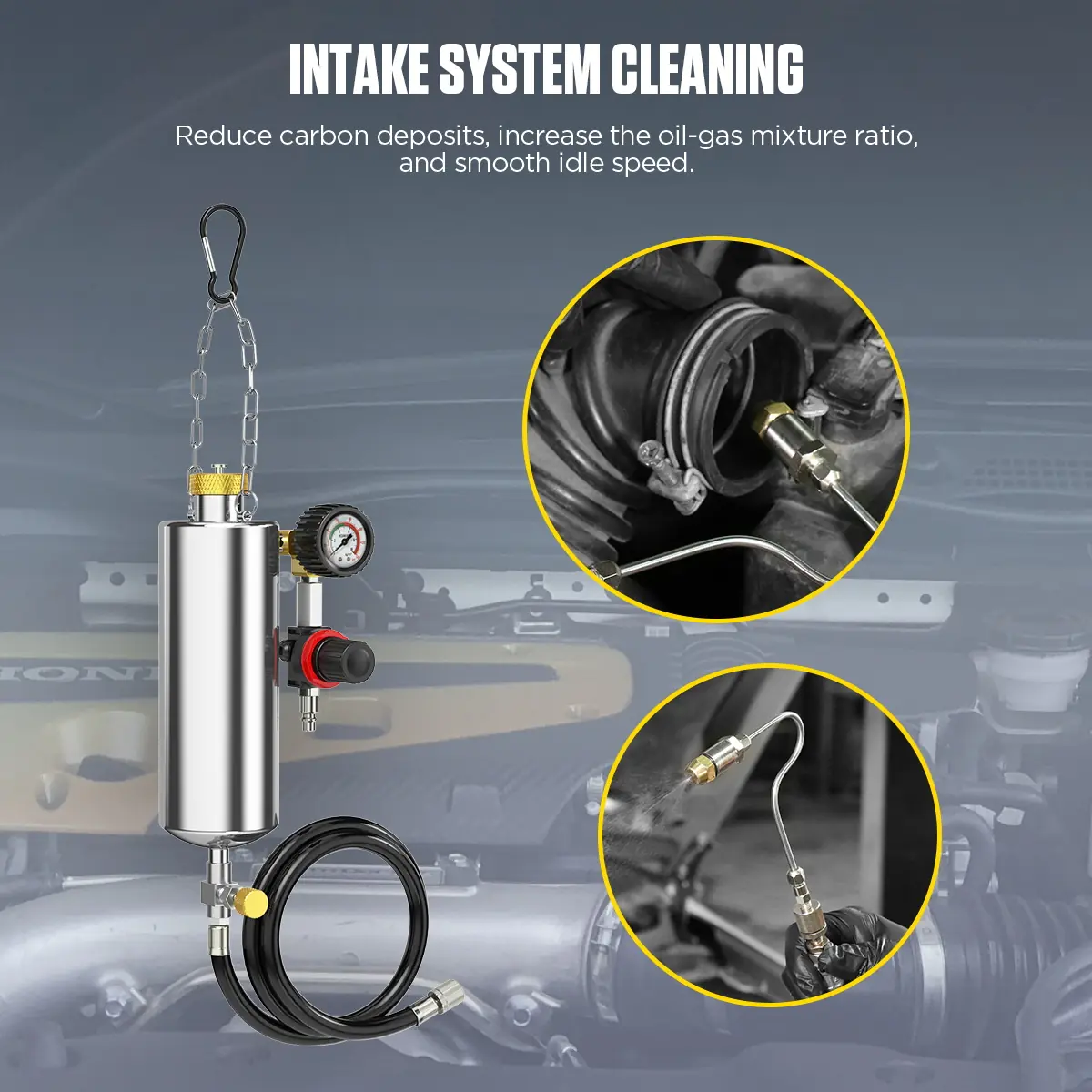
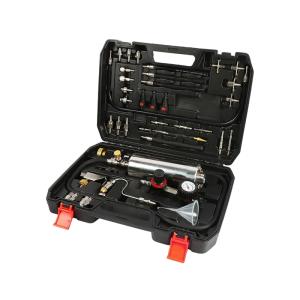
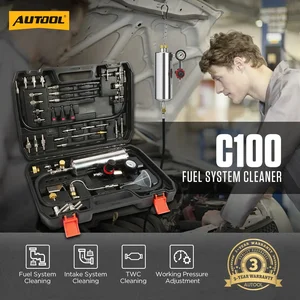
The C80 hangs at the vehicle and feeds cleaning fluid through the fuel circuit using regulated external air, so the injector assembly stays in place. The same setup at a lower pressure covers throttle and intake work. Cleaning fluid and the air supply are not included.
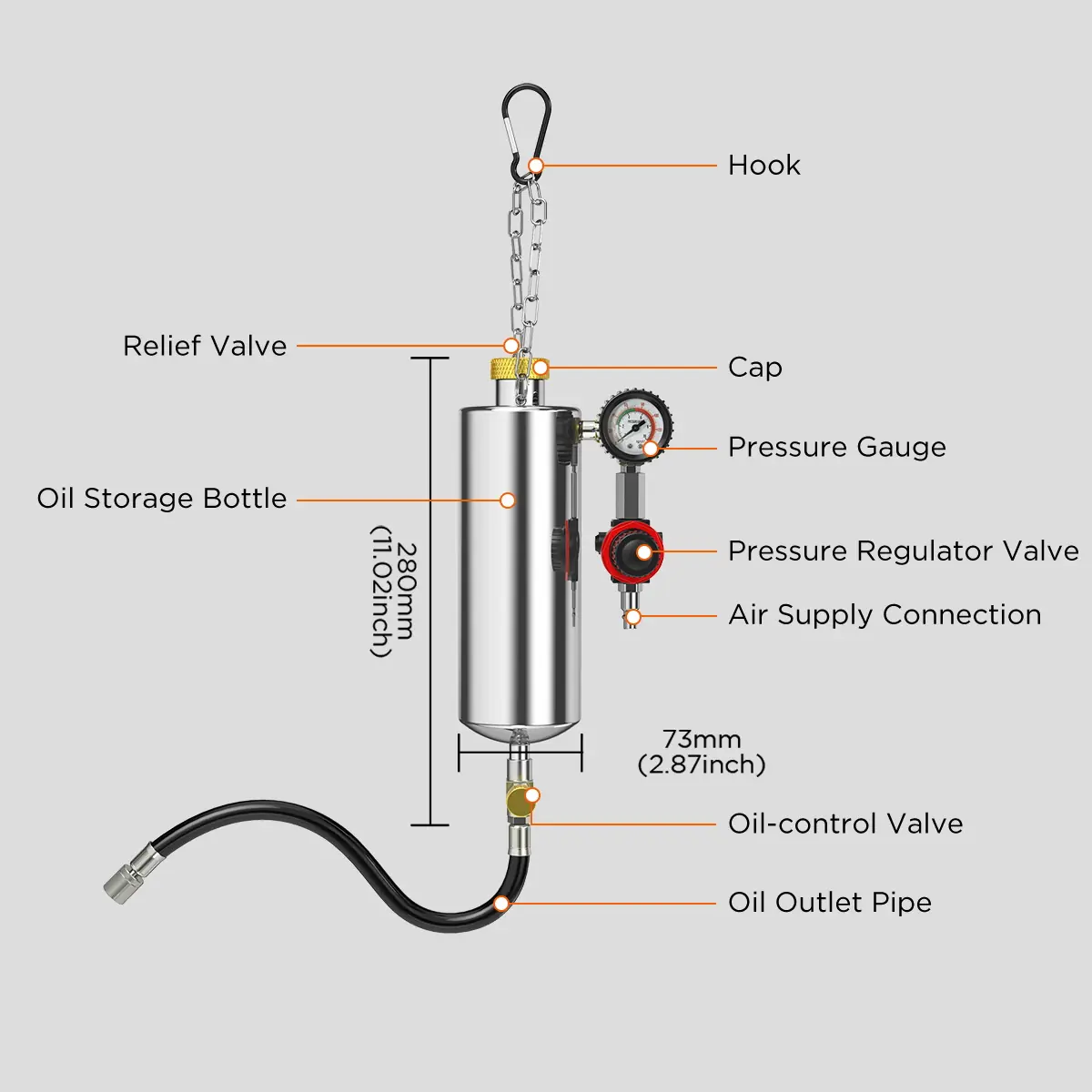
- 600 mL Vessel
- 0–140 PSI Gauge
- EFI 40–50 PSI
- Throttle 1–5 PSI
- Gasoline Only
Hauptmerkmale
-
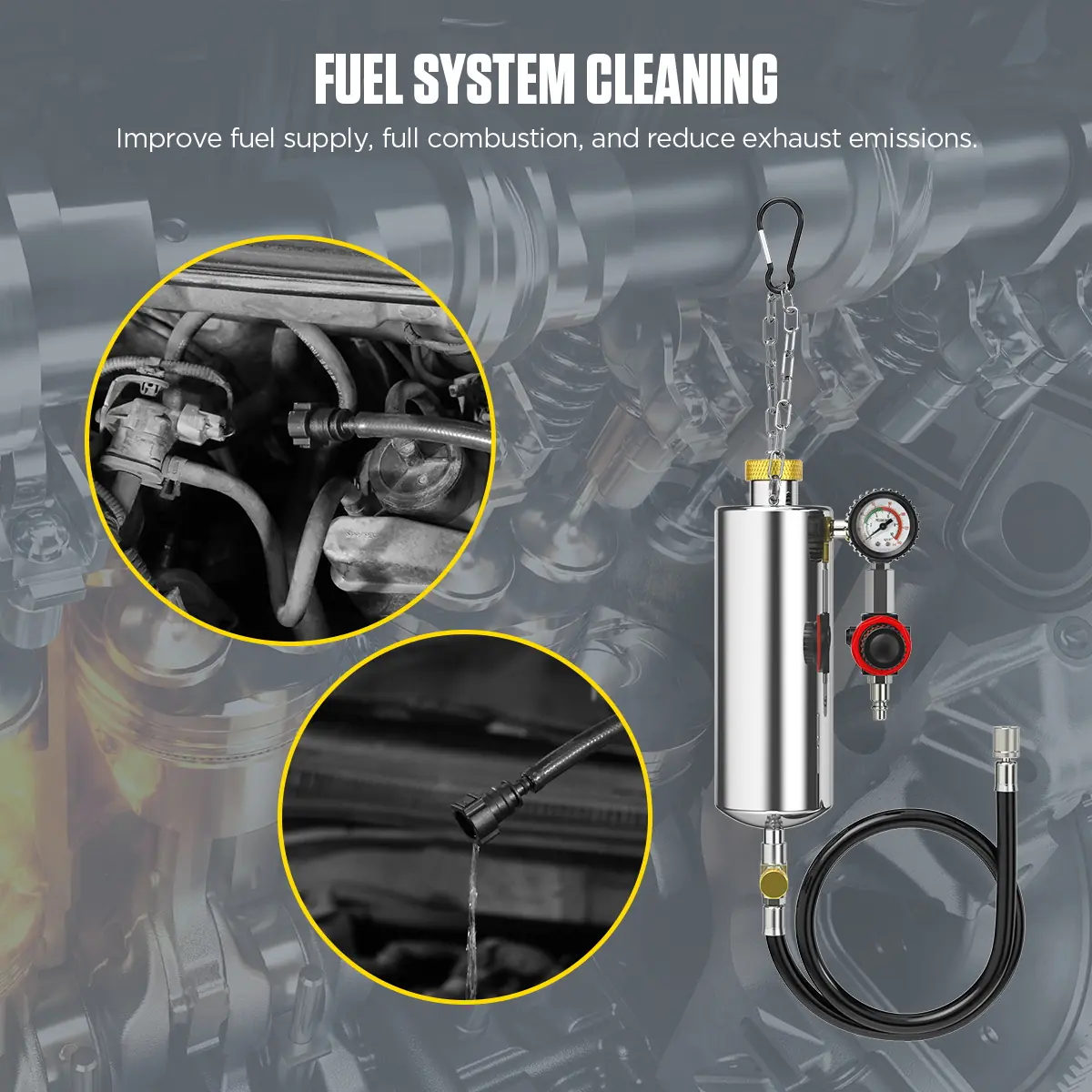
Non-Dismantle Fuel-Circuit Cleaning
Routes cleaning fluid through a supported gasoline fuel circuit without removing the injector assembly.
-
Throttle, Intake and TWC Workflows
Supports compatible throttle, intake and TWC-related cleaning procedures with the correct low-pressure setup and detergent.
-
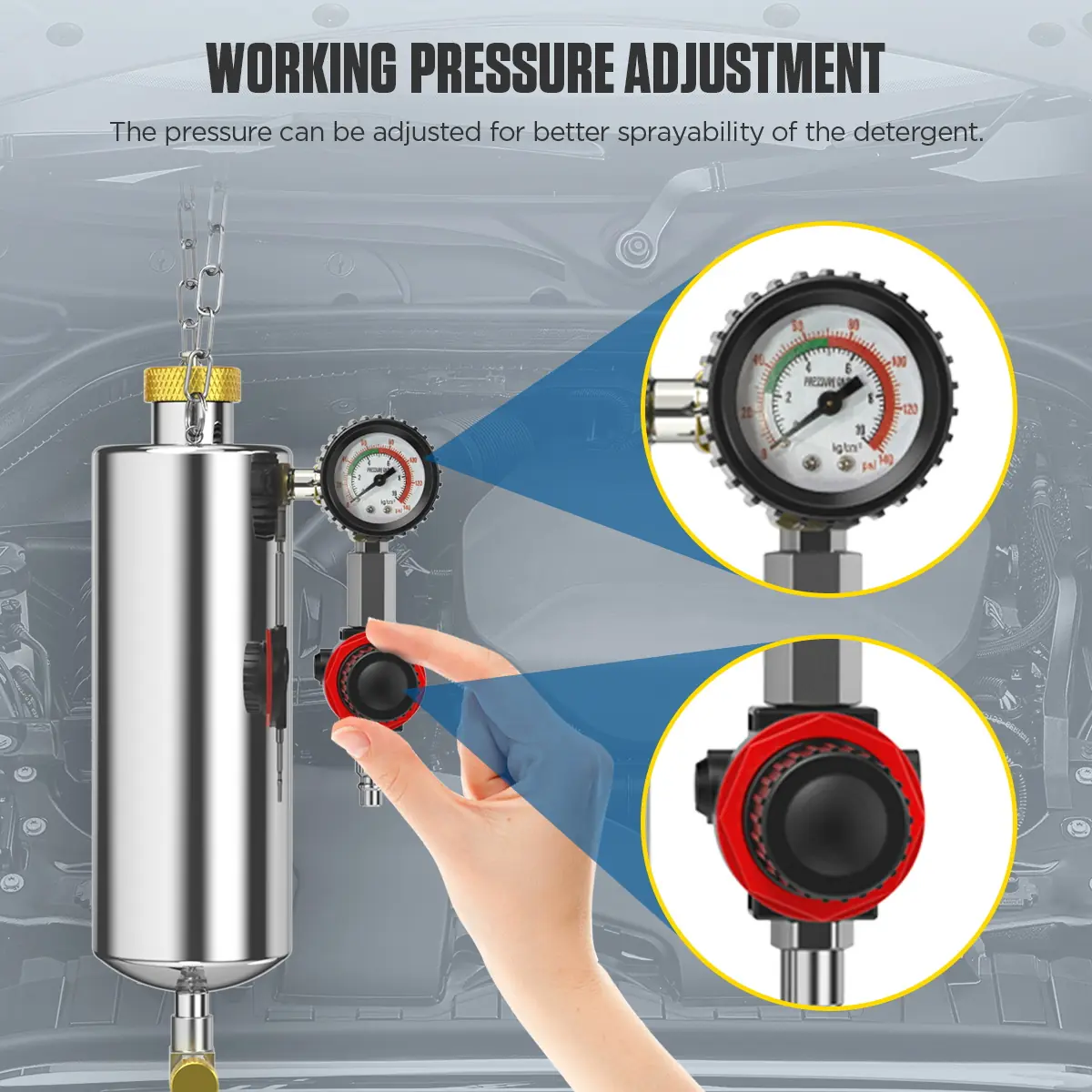
Adjustable Pressure Delivery
The gauge and regulator set the delivery pressure separately for EFI cleaning and throttle-style cleaning.
-
Controlled Flow
The vessel feeds fluid through a control valve and outlet pipe for controlled delivery during service.
-
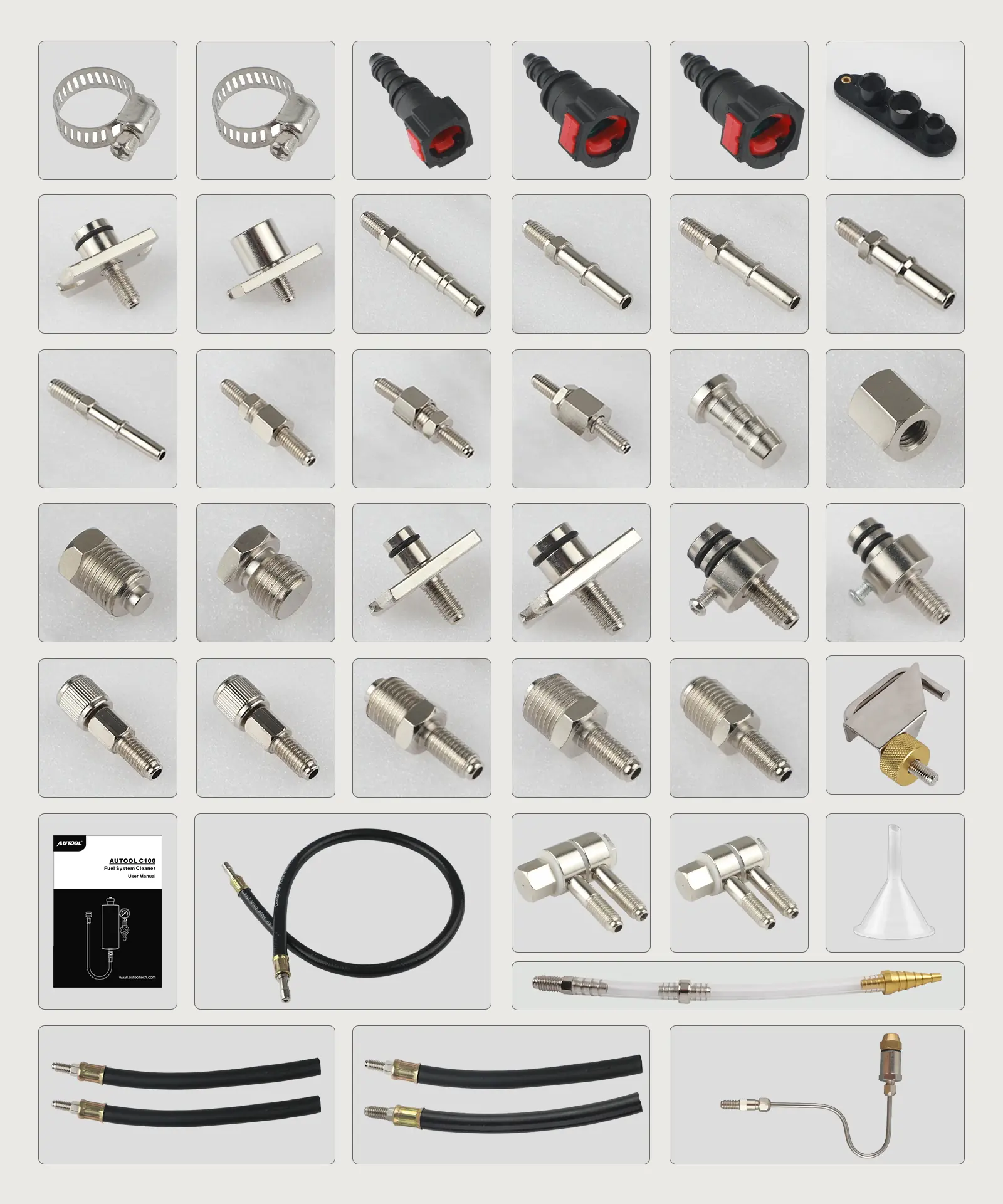
Wide Adapter Selection
Connector styles for many European, Asian and US cars and light trucks, subject to connector and fuel-system confirmation.
-
Portable Hanging Setup
A hook and chain hold the vessel at the vehicle during the procedure.
What’s in the Box
- C80 pressure-vessel cleaner
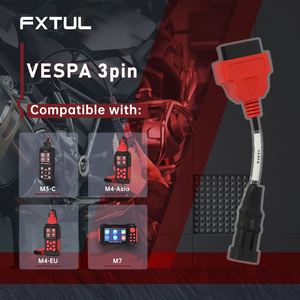
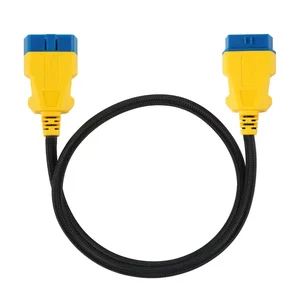
- Adapter kit with connector styles, hoses and related accessories
- Bedienungsanleitung
- Funnel
Anwendung
- Identify the fuel circuitConfirm the vehicle is gasoline, find the inlet and return lines in service information and select the matching adapter.
- Isolate and connectConnect the outlet to the fuel inlet path and cap or route the return side as the procedure requires.
- Add cleaning fluidFill the vessel with a separately purchased fluid approved for the task and materials.
- Connect external airAttach regulated compressed air and set the procedure pressure for EFI or throttle-style work.
- Leak-check and cleanInspect every connection before starting the engine, and stop at once if any fluid leaks.
- Depressurize and restoreShut down, relieve vessel and line pressure, restore the original fuel circuit and leak-check again.
Good to Know
Caution
- Not for diesel or high-pressure test work.
- The gauge range is not the working pressure; set only the pressure the procedure specifies.
- On vehicles with no fuel return hose, disable the fuel pump (for example by removing its fuse) as the instructions direct.
- Keep ignition sources away, ventilate the area, keep fire protection at hand, and wear eye and hand protection.
- Relieve vessel and hose pressure before opening the cap or disconnecting any line.
Care
- The inlet hose is usually the larger one with a filter on its side; the return hose is usually smaller with a buffer. Some hoses carry a flow-direction arrow.
- The C80 cleans; it does not measure individual injector spray, leakage or flow.

 English
  German
  Spanish