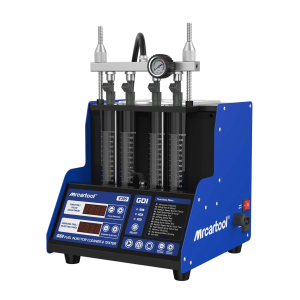




Heated Ultrasonic Cleaning, Then Side-by-Side Testing of Four Injectors
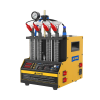
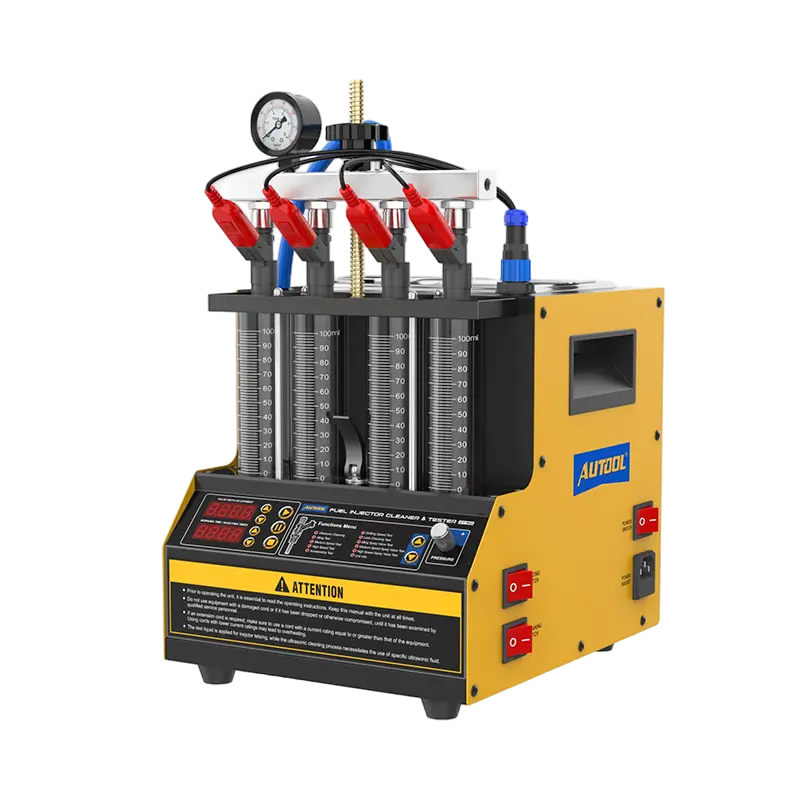
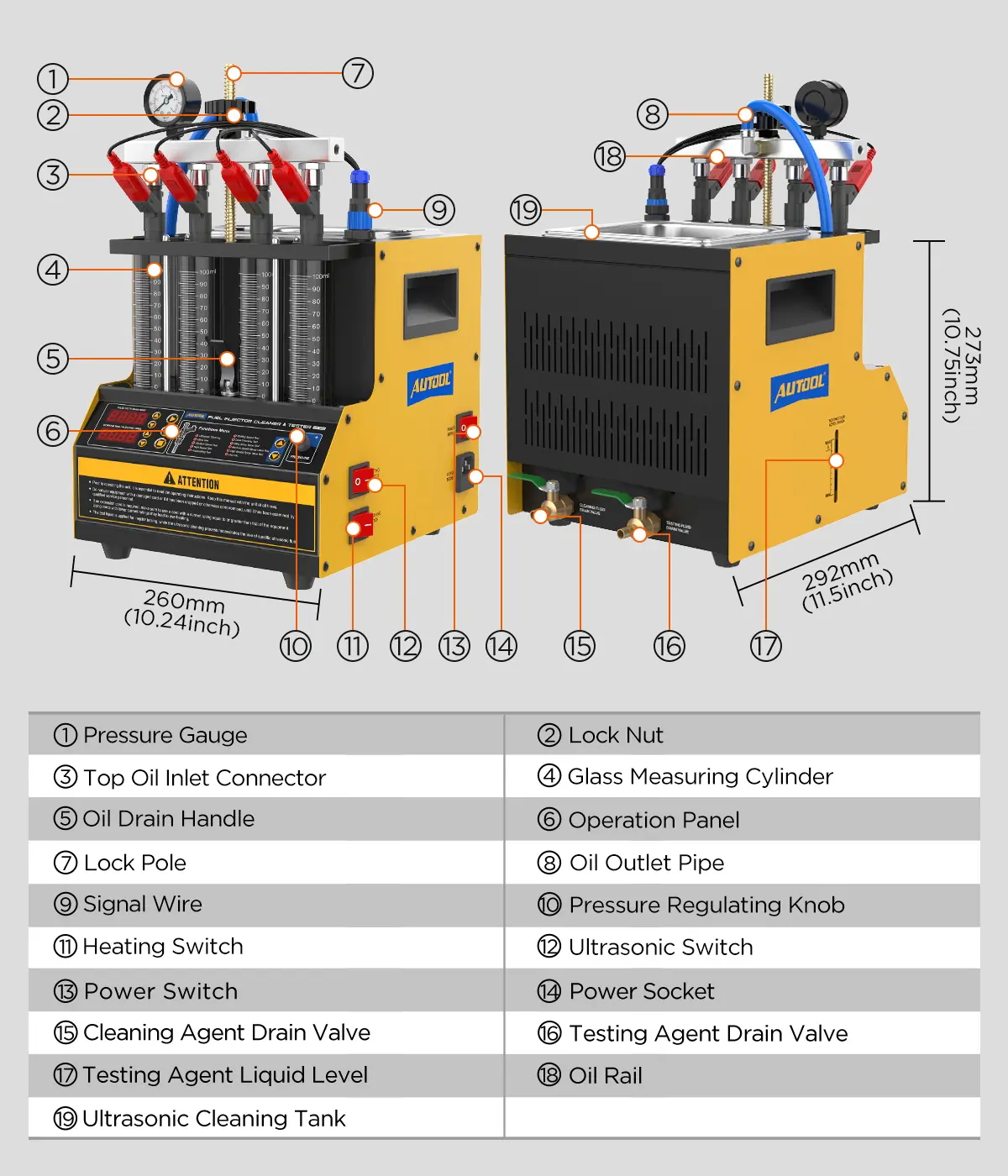
The AUTOOL CT160 cleans standard 12 V gasoline injectors in a heated ultrasonic tank, then compares up to four of them for spray pattern, leakage and collected volume under matched low-pressure conditions. GDI and diesel injector testing need dedicated equipment.
- 4 Injector Positions
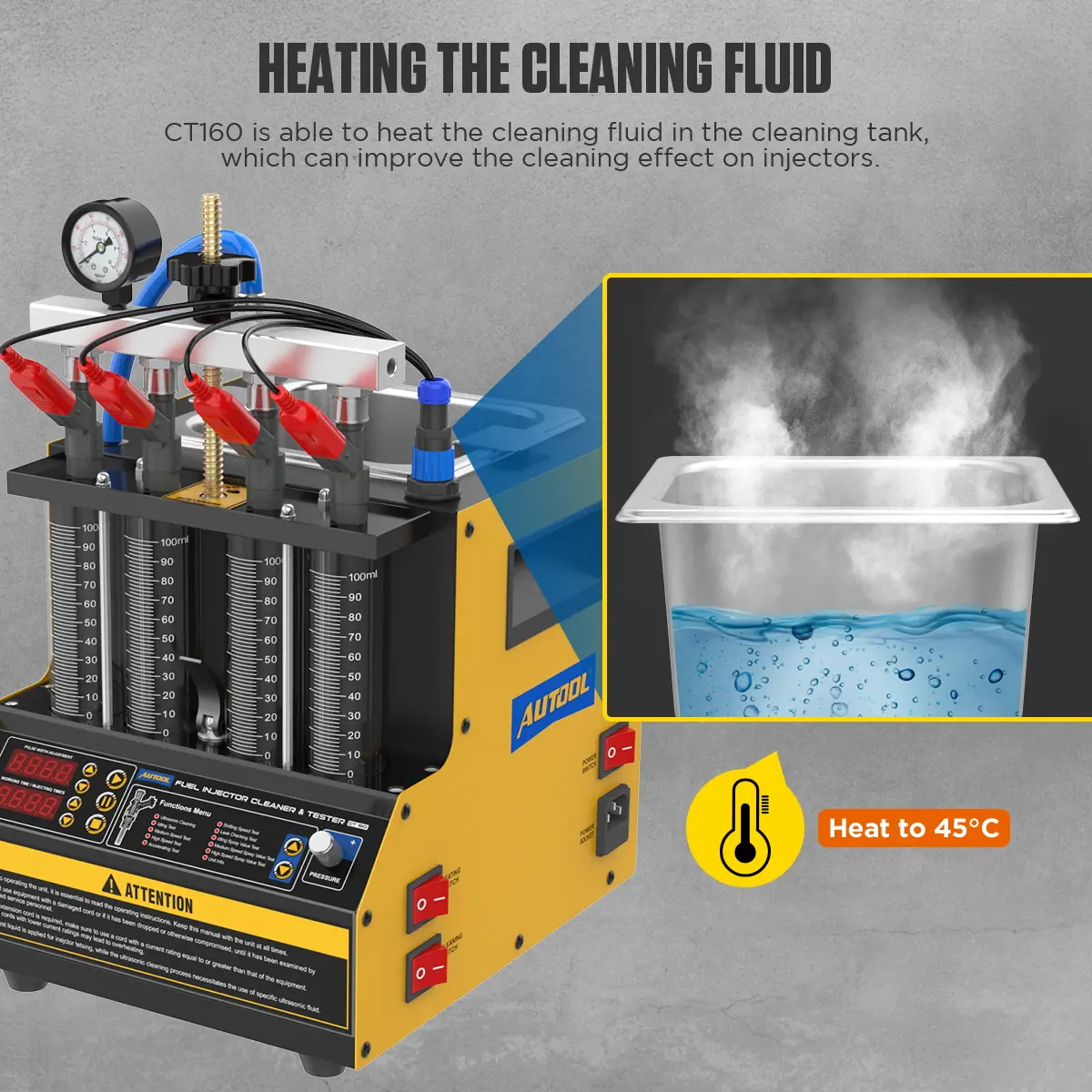
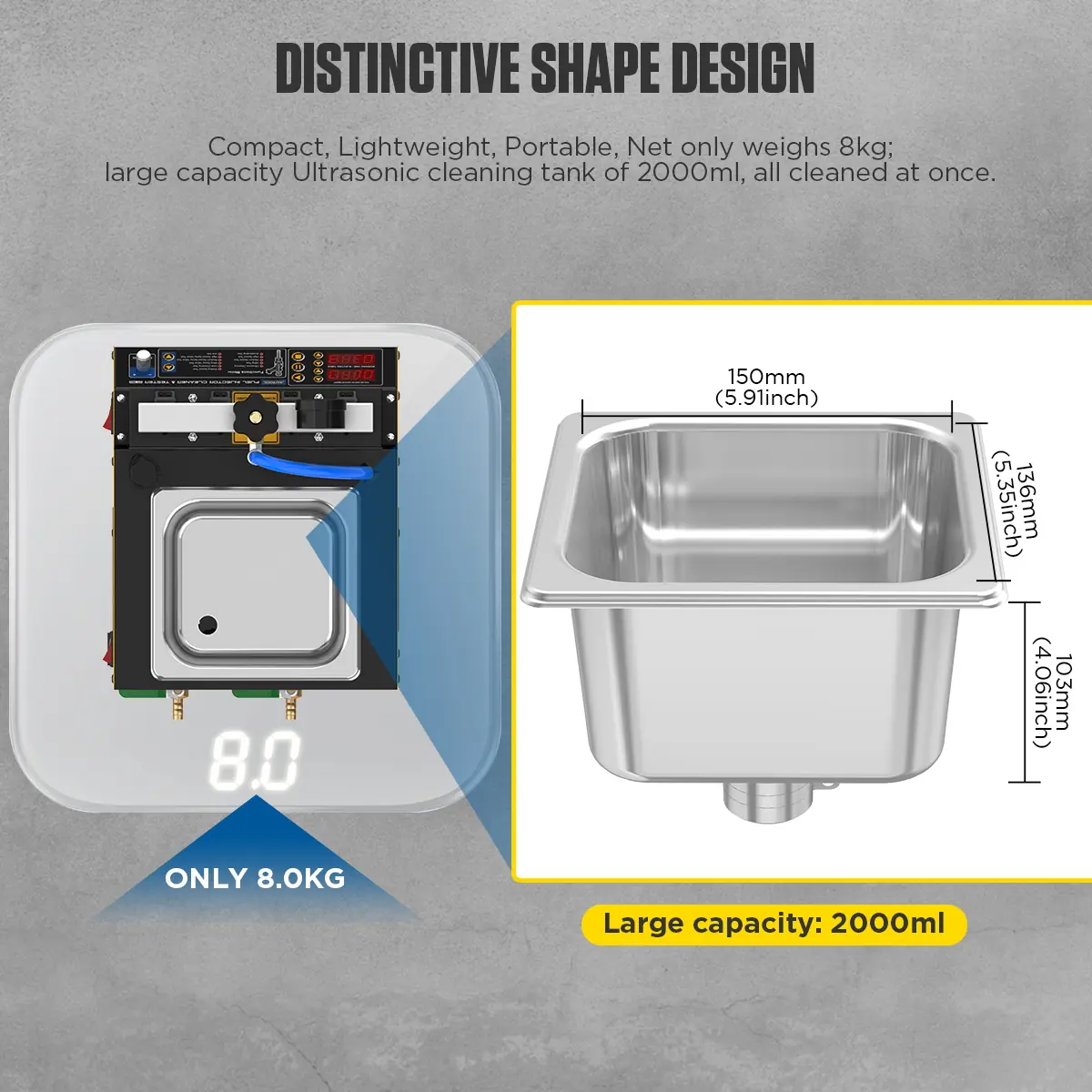
- 2 L Tank Heated to 45 °C
- 3 Cleaning + 9 Test Modes
- Separate Fluid Drains
Hauptmerkmale
-
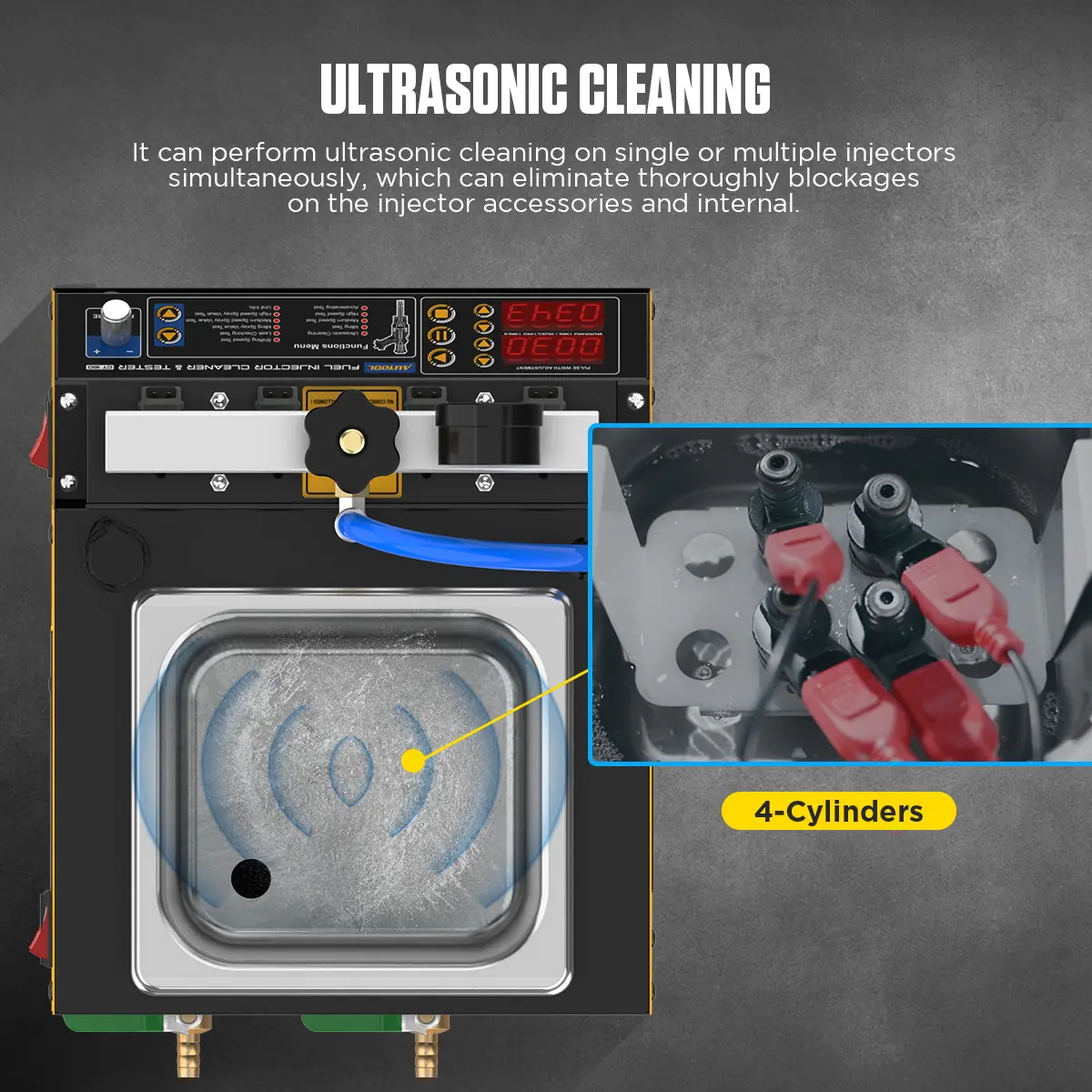
Heated Ultrasonic Cleaning
Clean one or more injectors in warmed fluid to help loosen internal deposits before retesting; use heating only where the manual and injector materials allow it.
-
Four-Position Visual Comparison
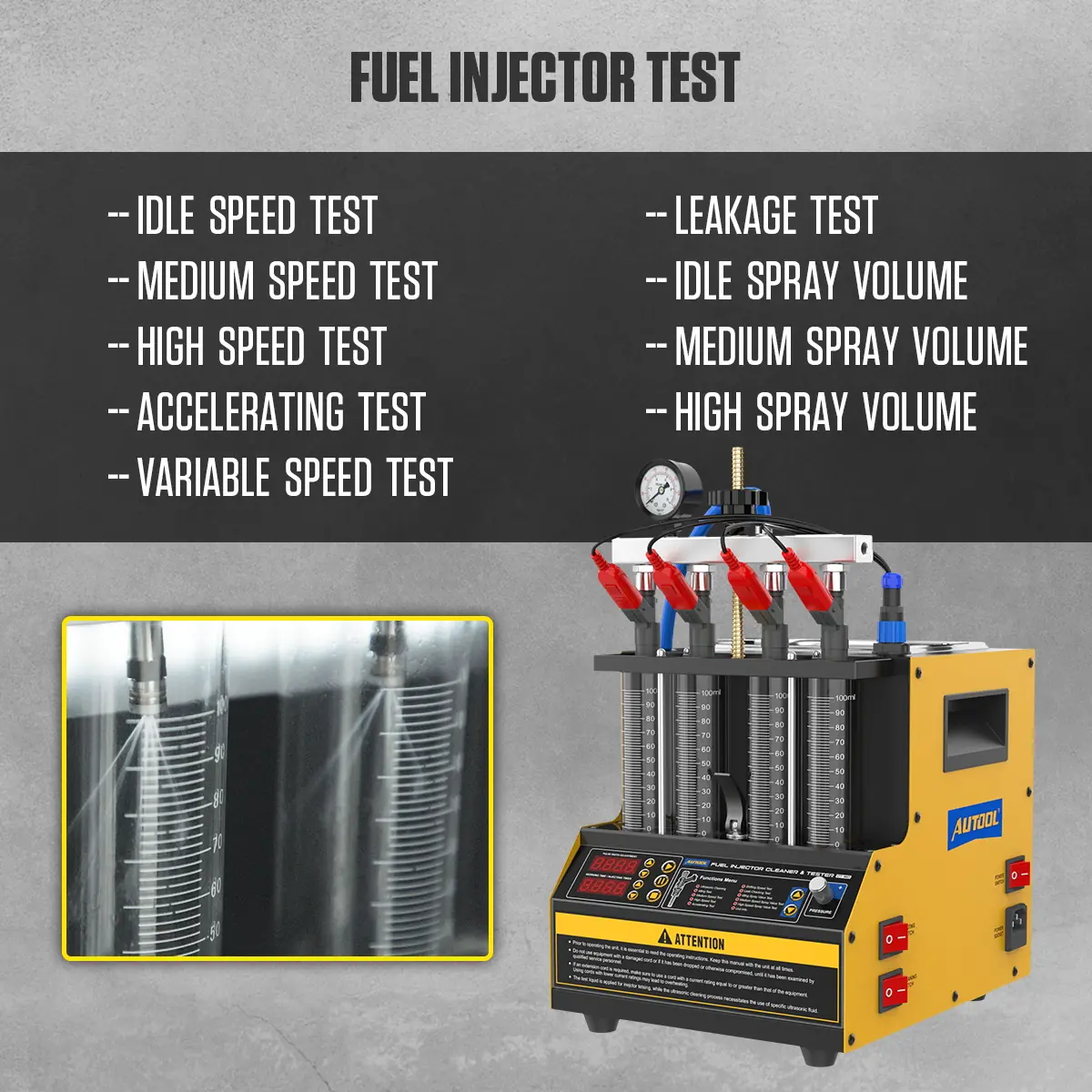
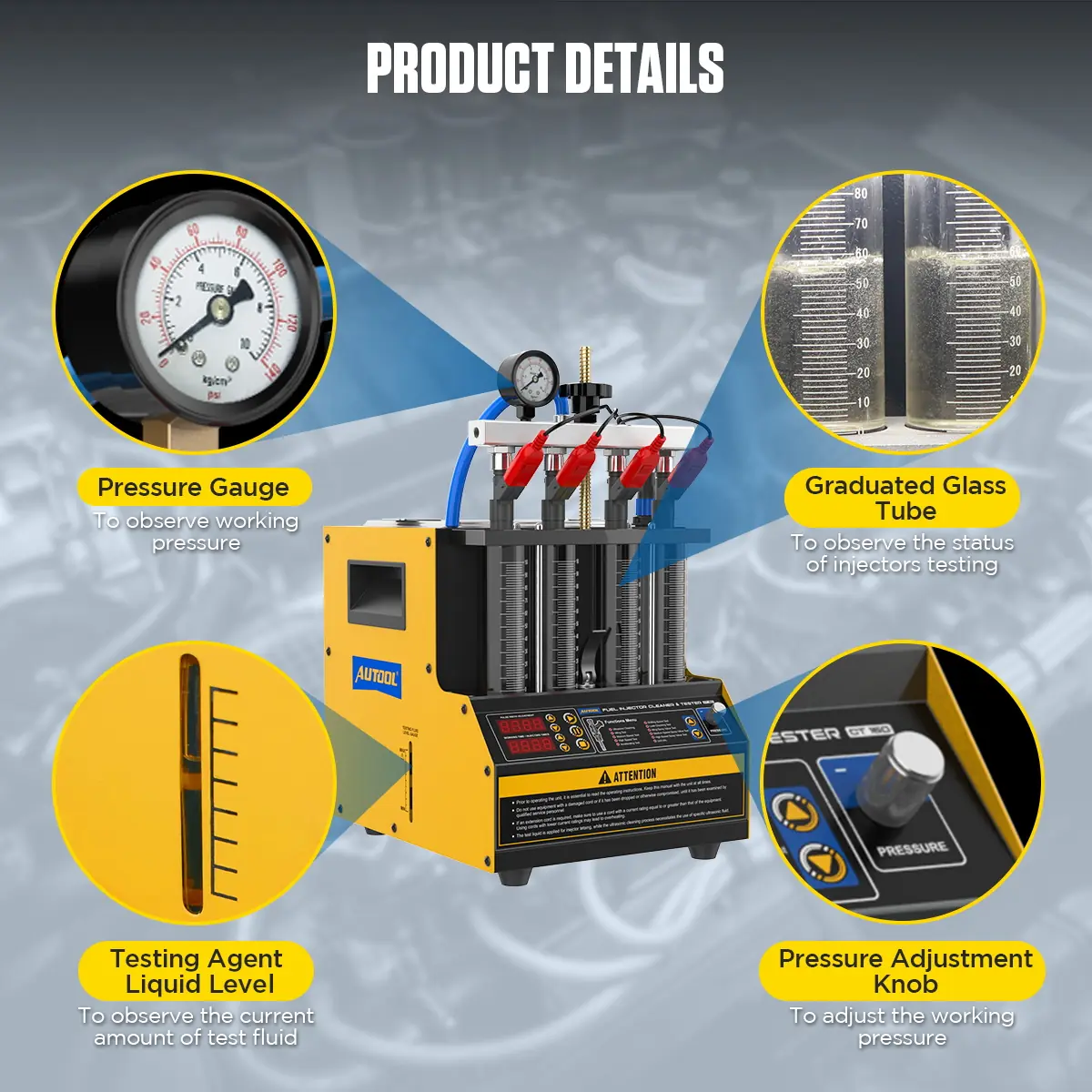
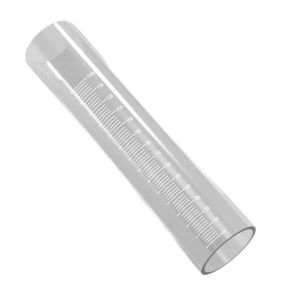
Graduated cylinders show spray appearance, collected volume and leakage for each injector side by side.
-
Operating-Condition Tests
Test modes cover idle, medium speed, high speed, acceleration, variable speed, leakage and spray volume.
-
Simple Control Panel
Select a function number and set the test time; the panel also shows working parameters, adjusts pressure and provides Start, Pause and Stop.
-
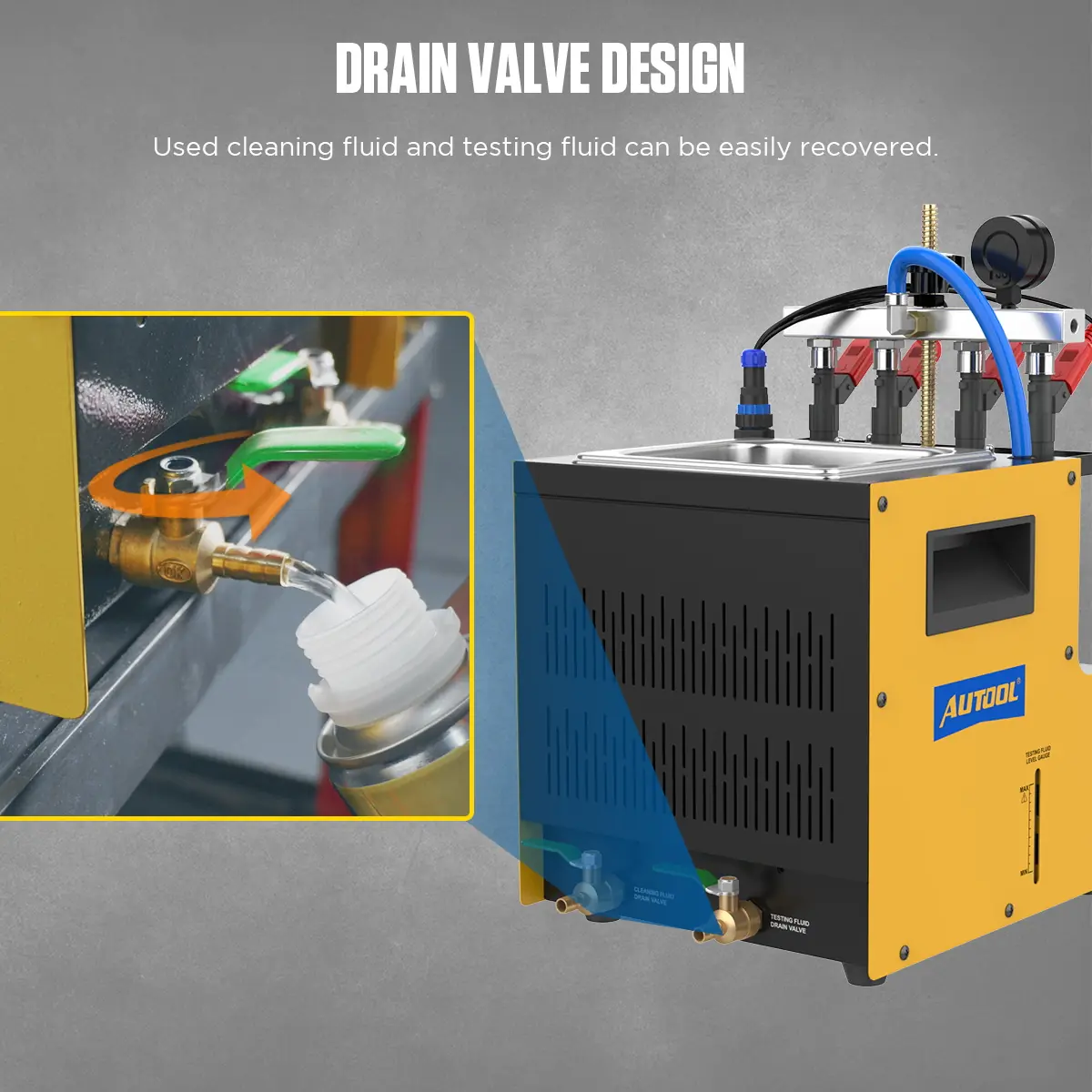
Separate Drain Valves
Cleaning fluid and test fluid are recovered through their own drains, keeping the two circuits apart.
-
Spark-Plug Cleaning
The ultrasonic tank can also clean compatible spark plugs when the manual’s liquid, temperature and material guidance allows it.
More Specifications
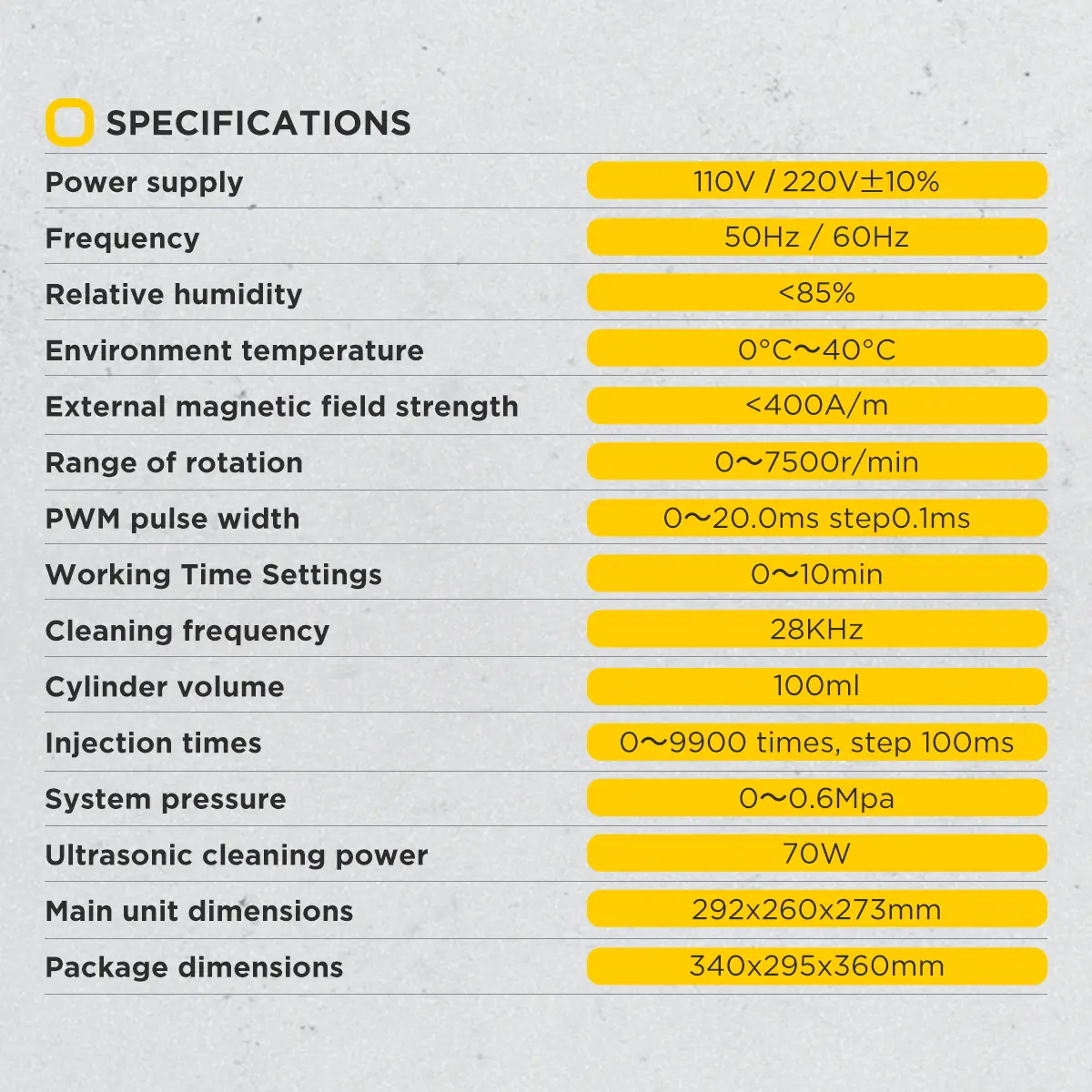
| Fuel pumps | 1 built-in |
|---|---|
| Displays | LCD display, pressure gauge and test liquid level gauge |
Model Comparison
| CT150 | CT160 | CT200 | |
|---|---|---|---|
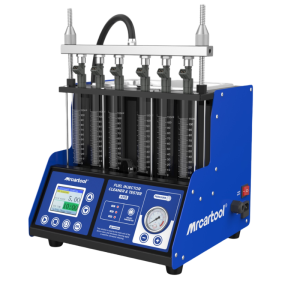
| Injector positions | 4 | 4 | 6 |
| Cleaning tank | 1000 mL | 2000 mL | 1700 mL |
| Cleaning fluid heating | No | Yes (45 °C) | No |
| Adapter types | 3 | 5 | 3 |
| Test tube volume | 110 mL | 100 mL | 110 mL |
What’s in the Box
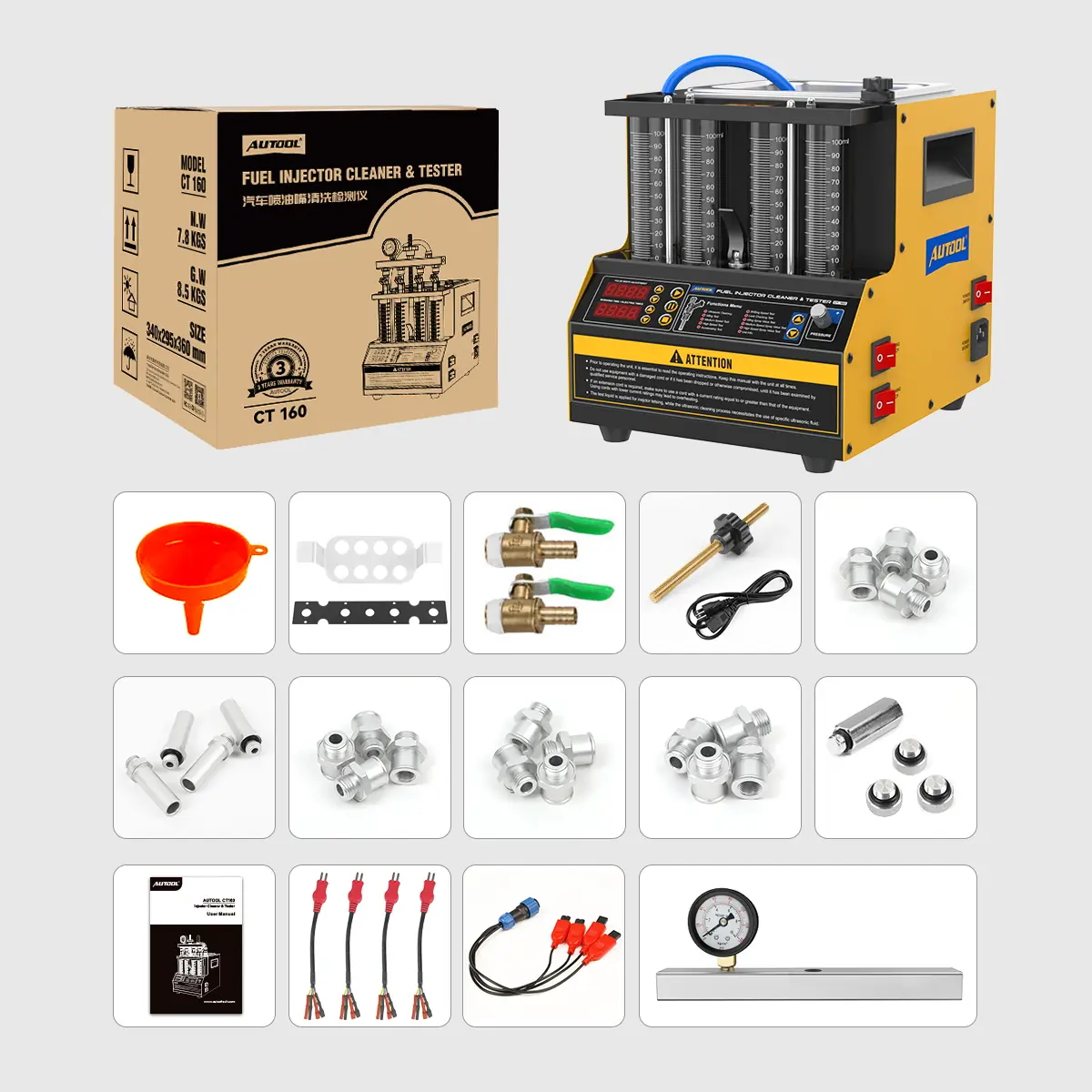
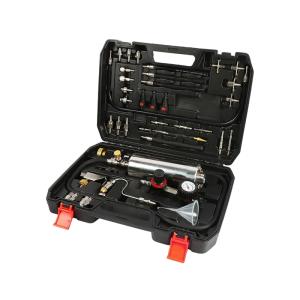
- CT160 injector cleaner and tester
- Funnel and drain-valve parts
- Adapter plates, connector sets, injector adapters and unused-position plugs
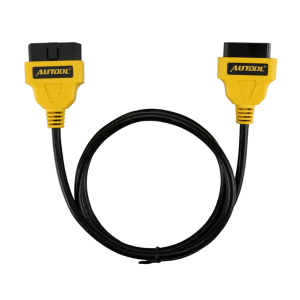
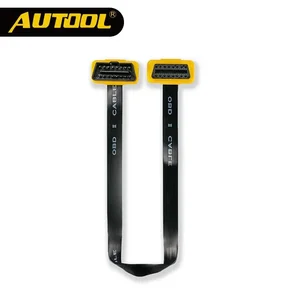
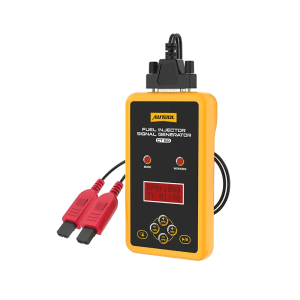
- Injector test cables and pulse-signal cable set
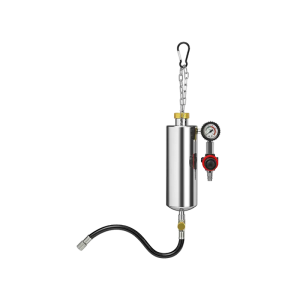
- Pressure gauge and fuel-rail assembly
- Bedienungsanleitung
Cleaning and test fluids, motorcycle adapters and the cleaning-without-removal kit are included only when the selected option says so.
Anwendung
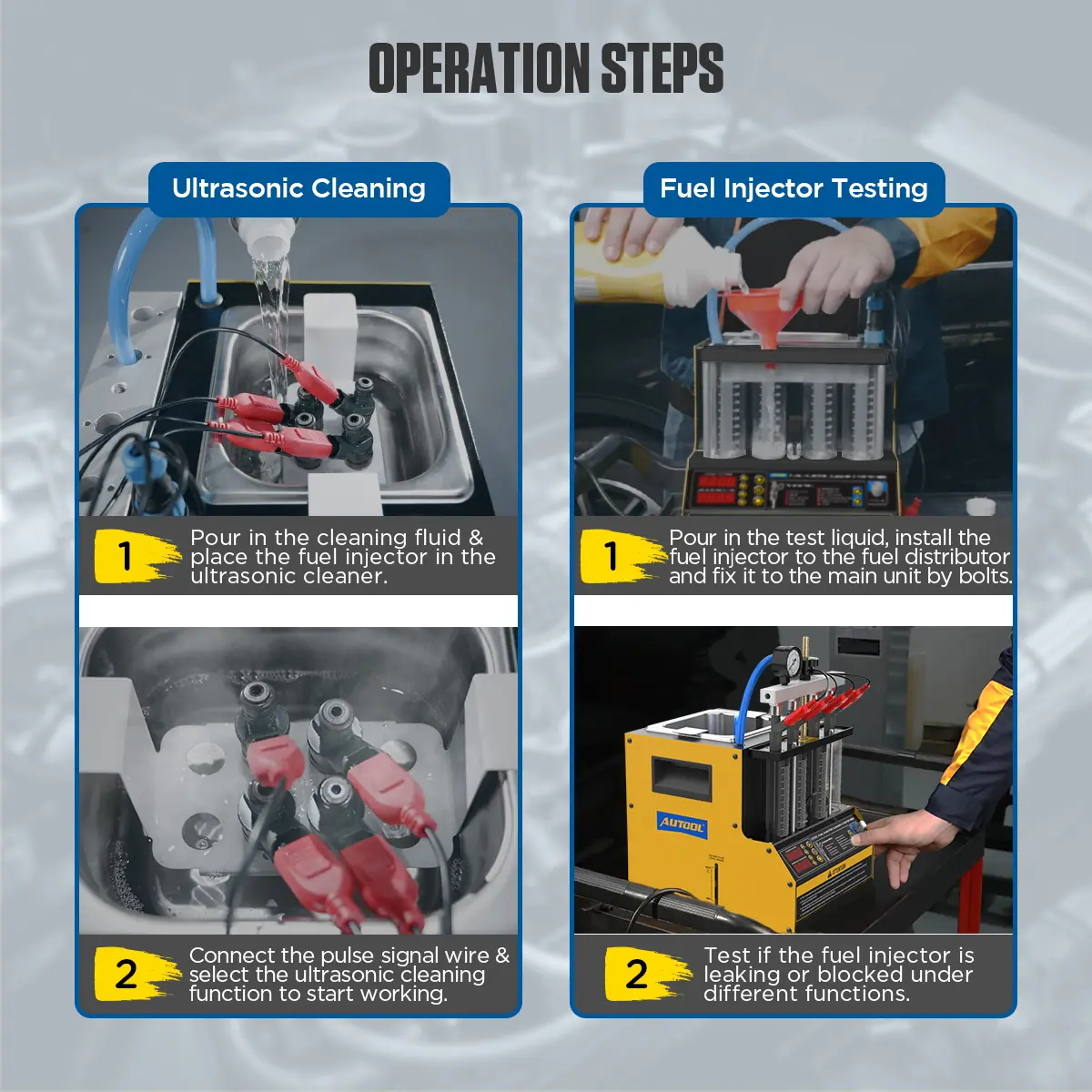
- Identify and recordConfirm the injector part number, 12 V scope, adapters and seals, label the four positions and record the baseline settings and results.
- Clean the exteriorRemove loose dirt with an approved cleaner before loading the tank.
- Run ultrasonic cleaningAdd approved cleaning fluid below the pulse connector, connect the pulse lead and heat only if allowed. Never run the tank dry.
- Mount for testingSecure the injectors, plug unused positions and add non-corrosive test fluid to the test circuit.
- Test leakage, spray and flowRun the selected modes and compare closed-state leakage, spray shape and collected volume.
- Retest and drainRepeat with the same settings, record the change, then drain each fluid through its own valve.
Setup, test modes and troubleshooting: CT160 user manual (PDF).
Good to Know
Caution
- Never test injectors with cleaning fluid; it may corrode internal parts and rubber seals and cause leaks.
- Not recommended for GDI high-pressure injector testing. Diesel injectors can only be ultrasonically cleaned, under an approved procedure.
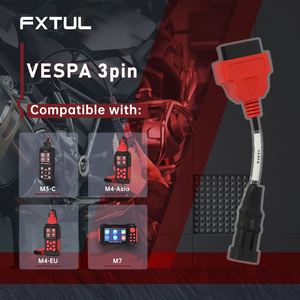
- Motorcycle injectors and cleaning without removal need the correct optional adapters.
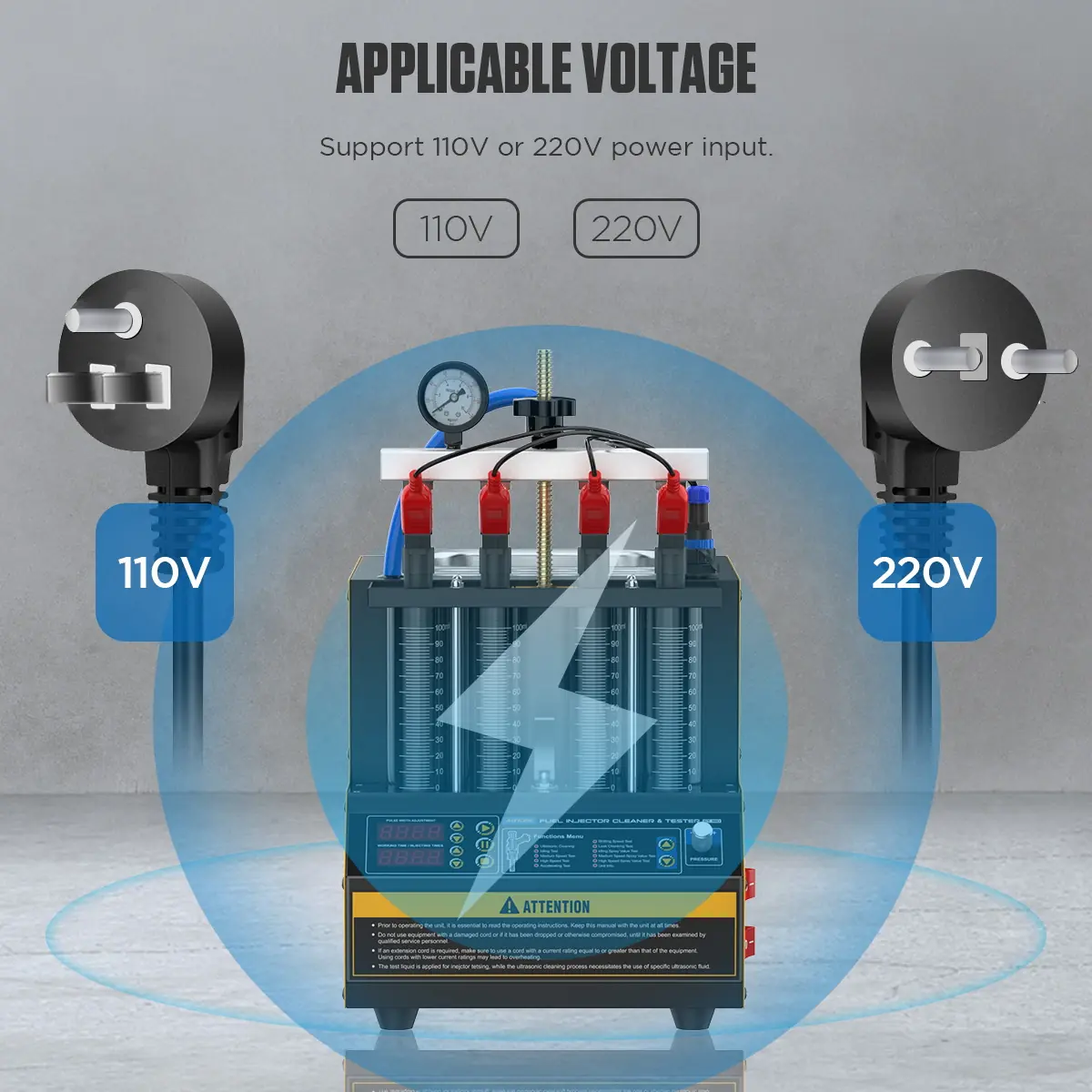
- Choose the 110 V or 220 V version to match your local power. Stop after a fuse event, leak, damaged cable, abnormal heat or unstable pressure.
Care
- Keep liquids away from ignition sources, ventilate the work area and follow the fluid SDS and local disposal rules.
- Compare injectors only under the same recorded settings; heating alone does not prove a better clean.
FAQ
Can I test a single injector?
Yes. Seal the other three positions with the supplied plugs and check for leaks before pressurizing.
Which cleaning fluid should I use?
Professional engine carbon cleaning fluid or injector ultrasonic cleaning fluid. 75%+ medical alcohol can substitute, though it may clean less effectively.
One tube fills much less than the others. Is the injector blocked?
Not necessarily. Check rail pressure, seals and installation, swap channels where allowed and repeat under the same conditions before concluding.





 English
  German
  Spanish