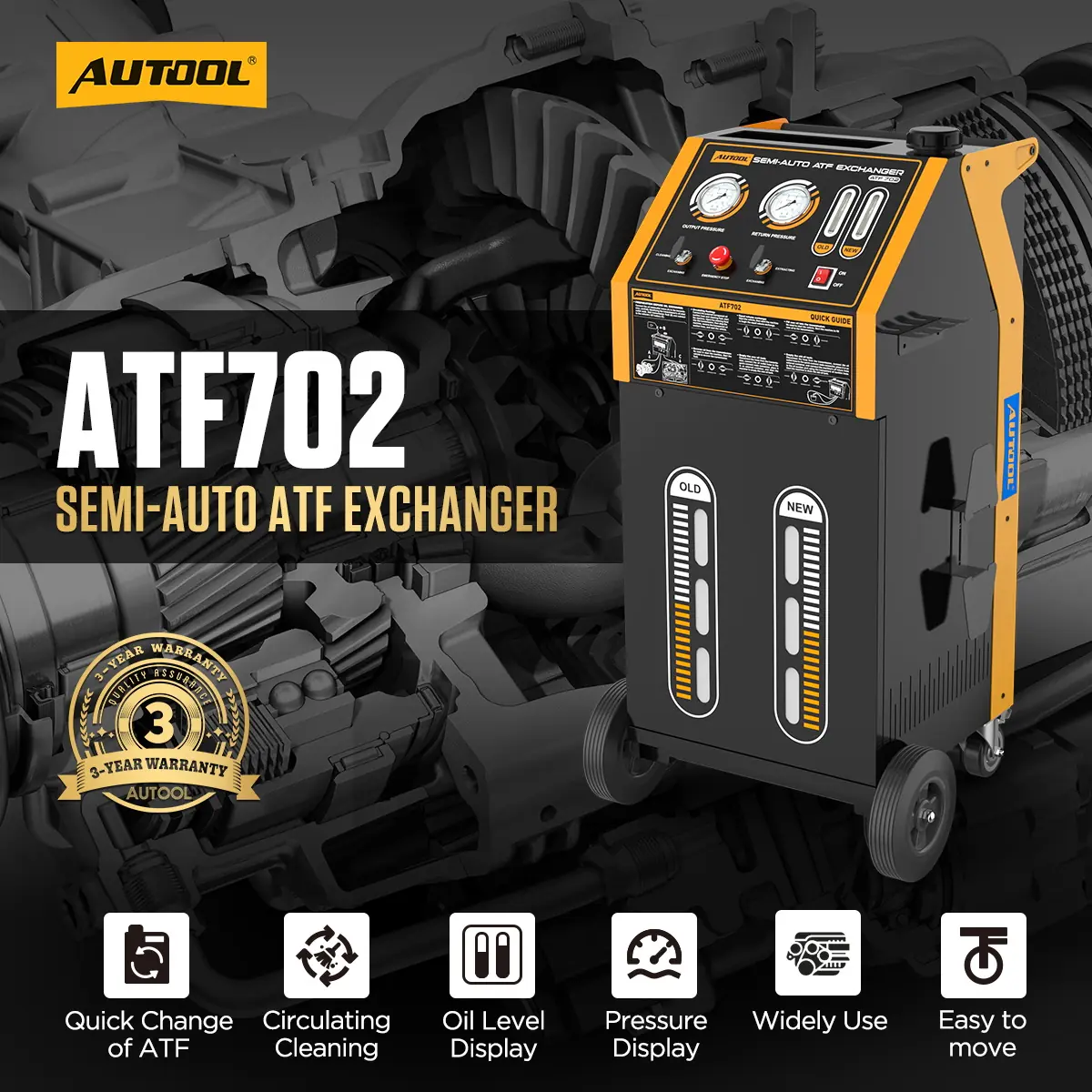
Hands-On ATF Exchange With Every Valve in Plain Sight
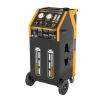
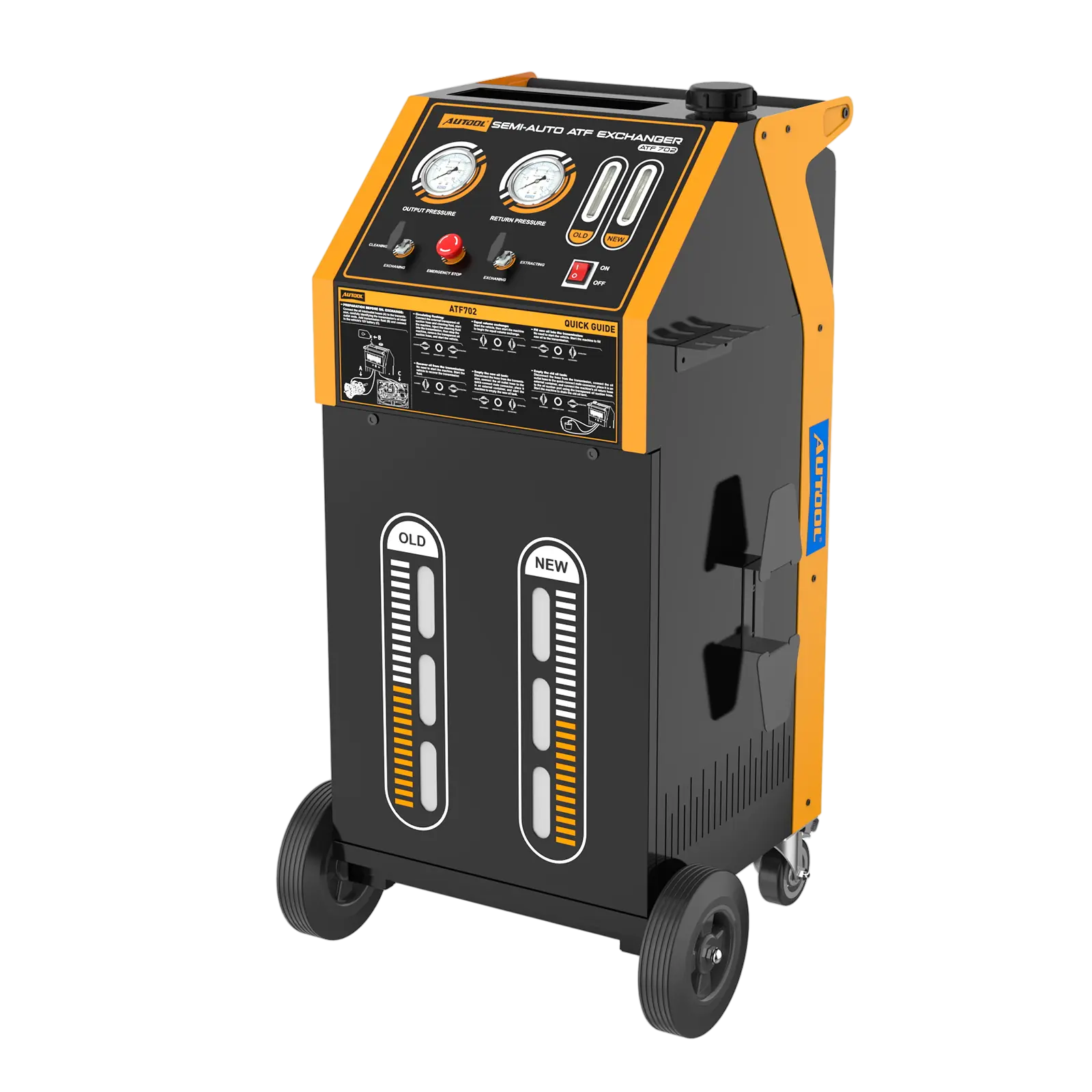
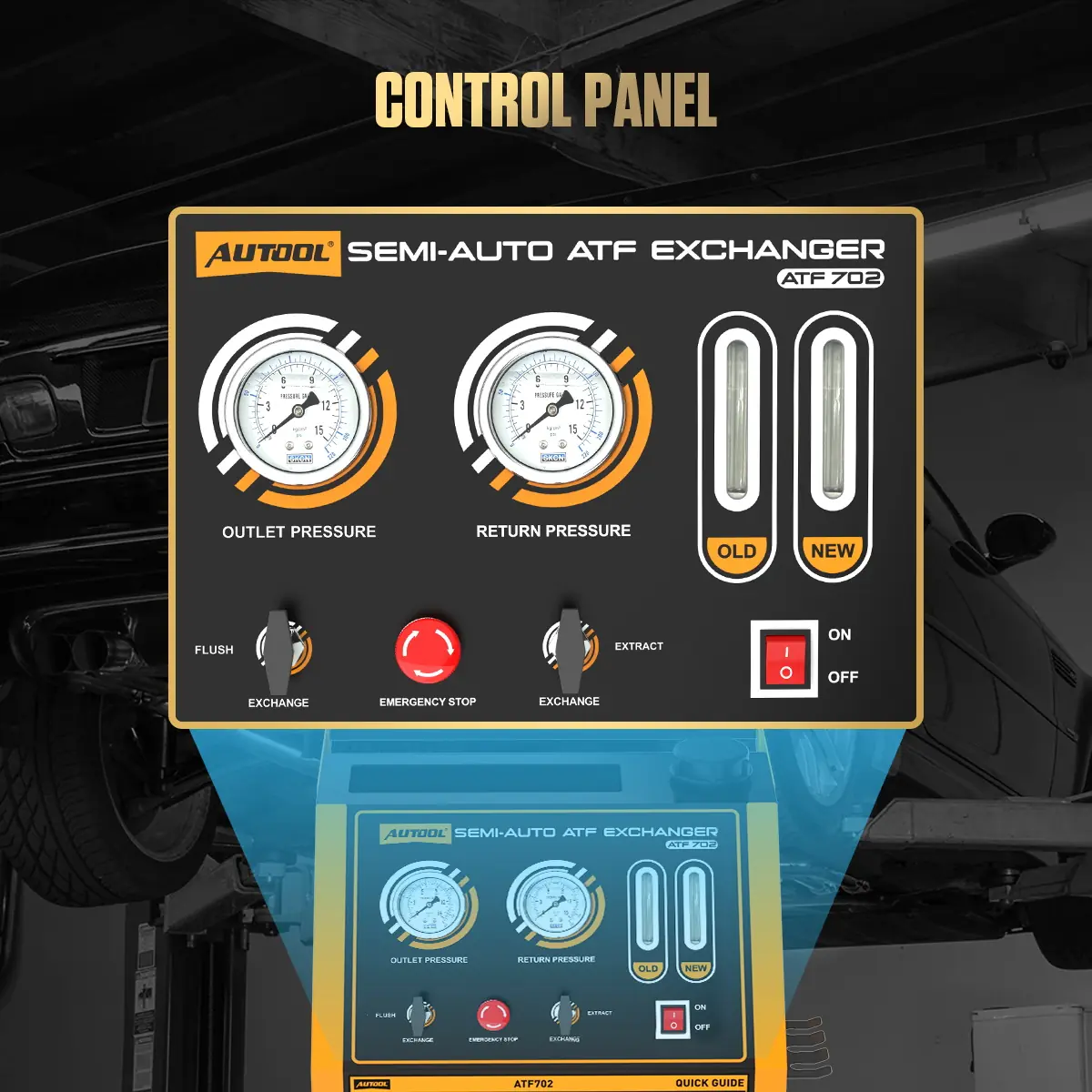
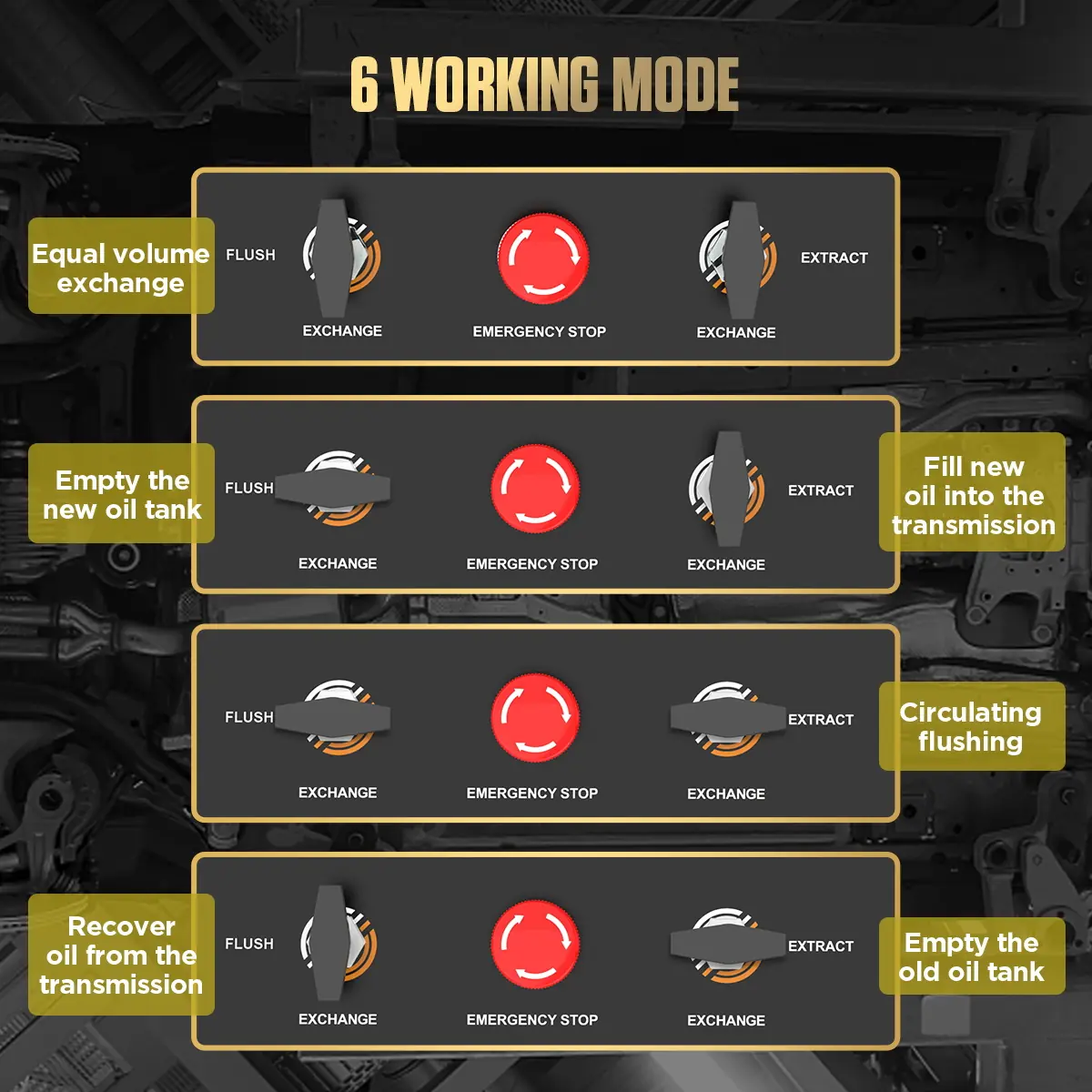
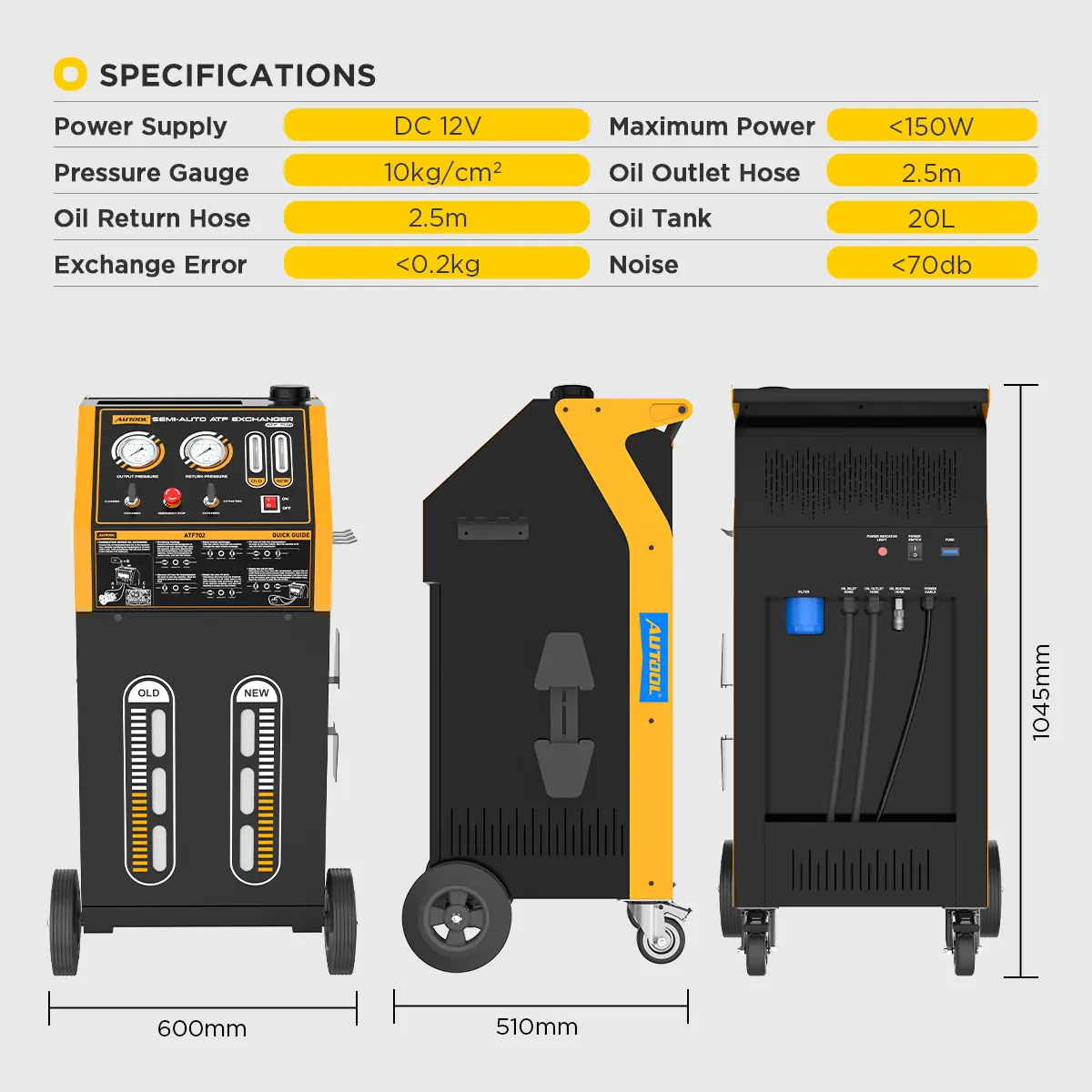
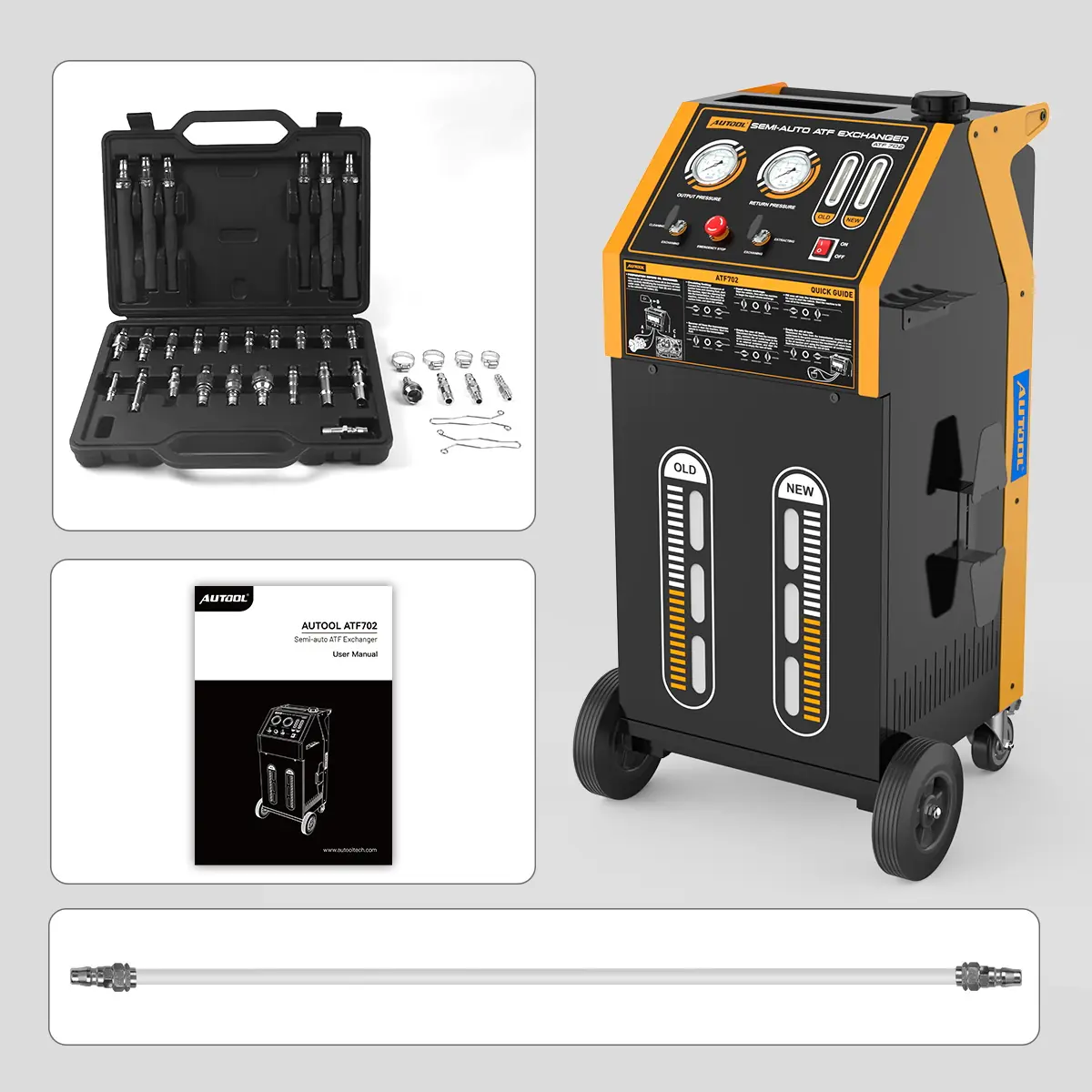
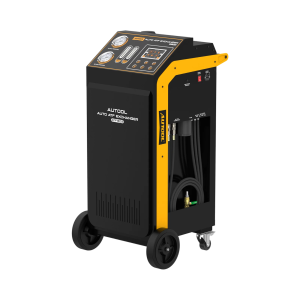
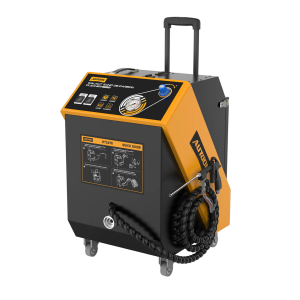
The ATF702 runs automatic transmission fluid exchange through mechanical valve control: set pressure and flow, compare used and new fluid in separate windows, and choose exchange, flushing, filling, recovery or tank-draining paths. It runs from a fully charged 12 V battery on a wheeled cabinet.
- 6 Mechanical Fluid Paths
- 20 L Tank
- 2 Pressure Gauges
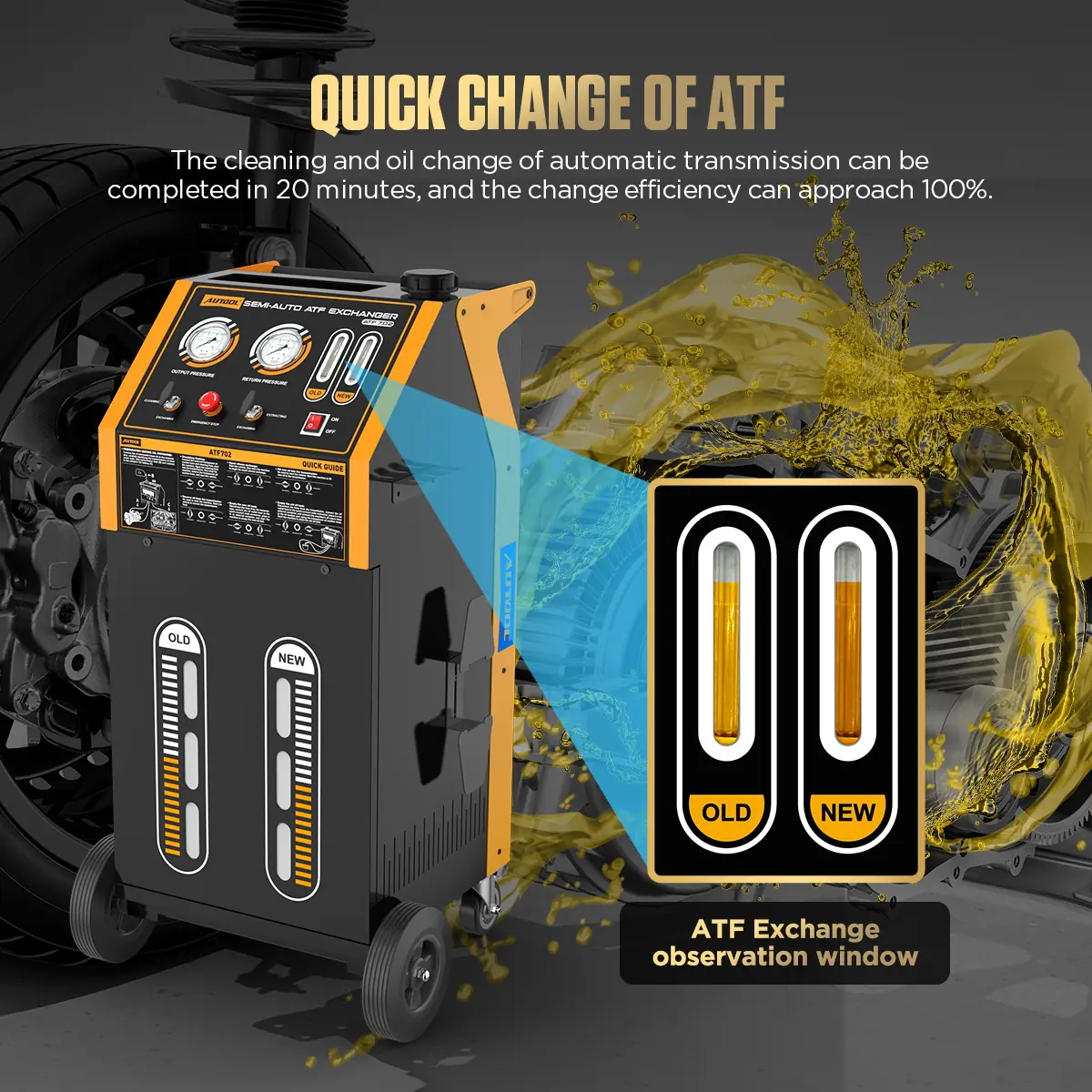
- About 20 min Exchange
- 12 V DC
Key Features
-
More Complete Than Drain-and-Fill
A traditional drain may remove only about 25% of the used fluid, leaving debris and sludge in the transmission and torque converter to contaminate new ATF.
-
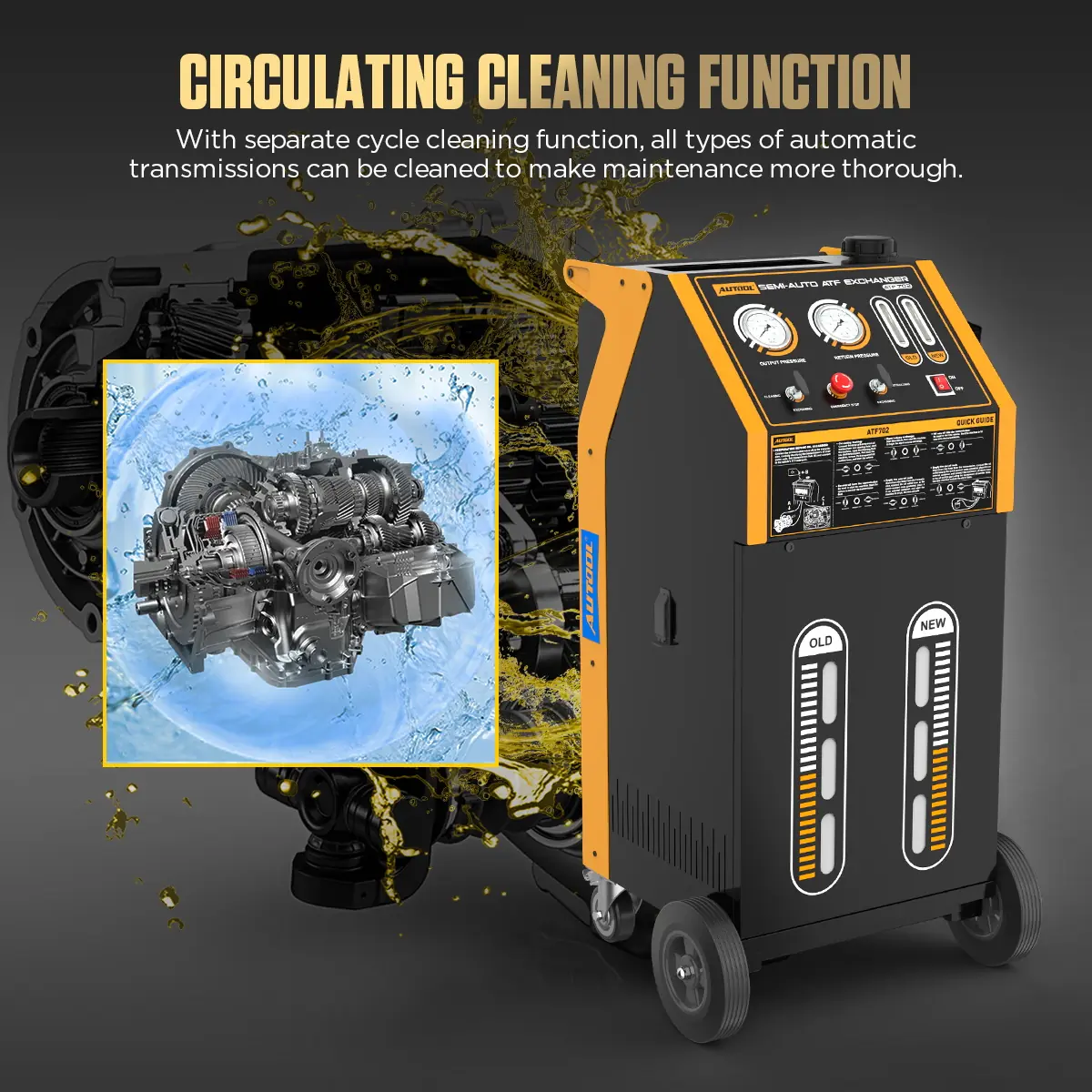
Manual Circulating Flushing
Circulate fluid through the connected route before the exchange sequence.
-
Side-by-Side Fluid Windows
Compare used and new ATF condition throughout the exchange.
-
Pressure and Flow Control
Adjust both to the vehicle’s service requirements to help avoid overfilling or underfilling.
-
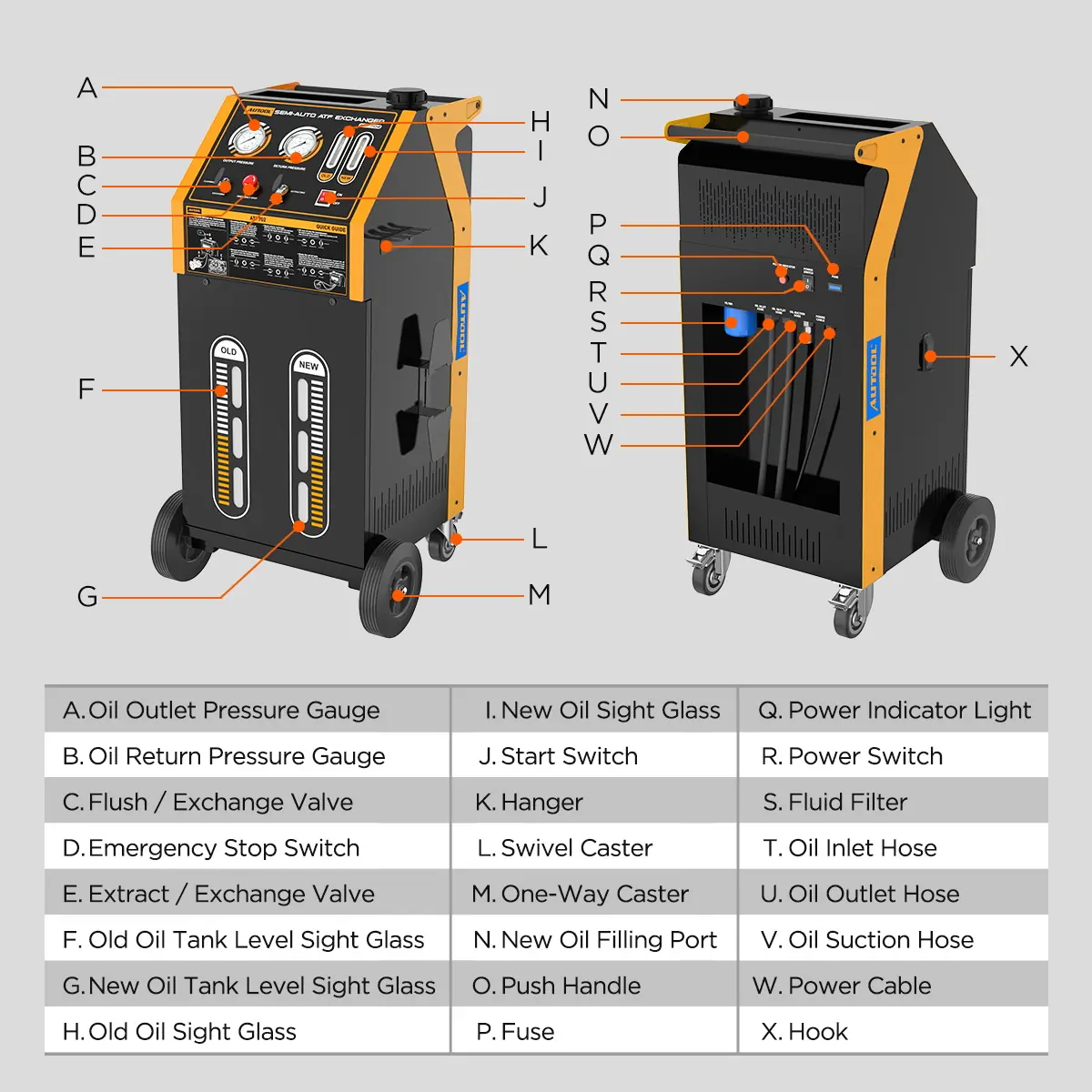
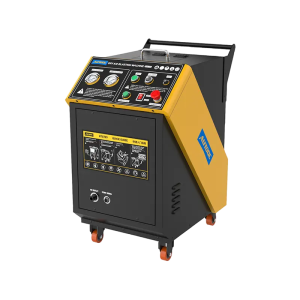
Clear Mechanical Controls
Defined valve positions, pressure gauges, emergency stop, start switch and visible indicators.
-
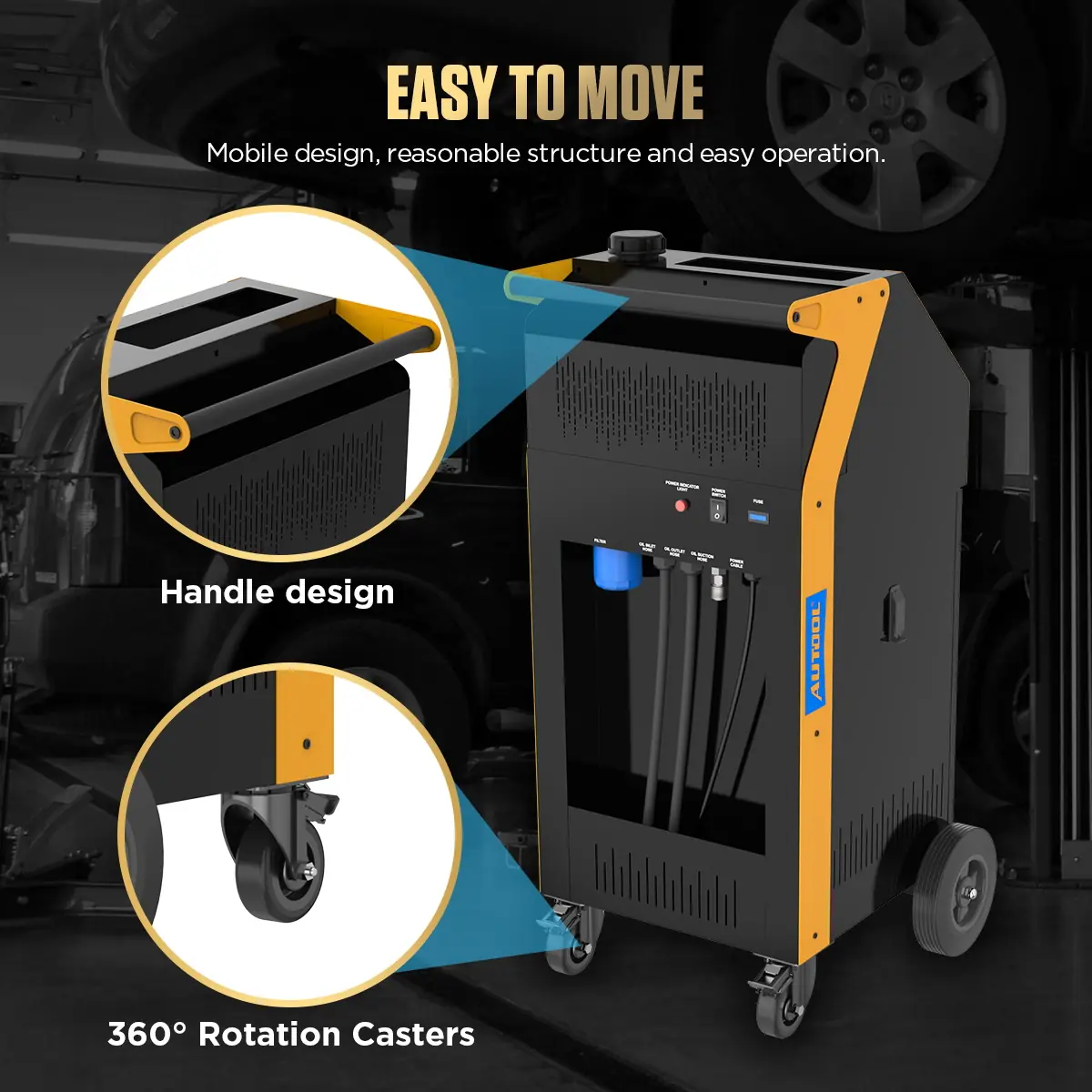
Easy to Move
Push handle with swivel and fixed casters for moving between bays.
ATF702 vs ATF705
| ATF702 | ATF705 | |
|---|---|---|
| Control | Mechanical | Electronic |
| Power | 12 V DC | 110/220 V AC |
| Screen | None | 5-inch IPS |
| Exchange, refilling and recovery | Manual | Automatic |
| Inlet/outlet identification | Manual | Automatic |
| Pressure gauges | 2 mechanical | 1 mechanical |
| Tank level display and buzzer | No | Yes |
| Net weight | 45.8 kg | 47 kg |
What’s in the Box
- ATF702 semi-automatic ATF exchanger
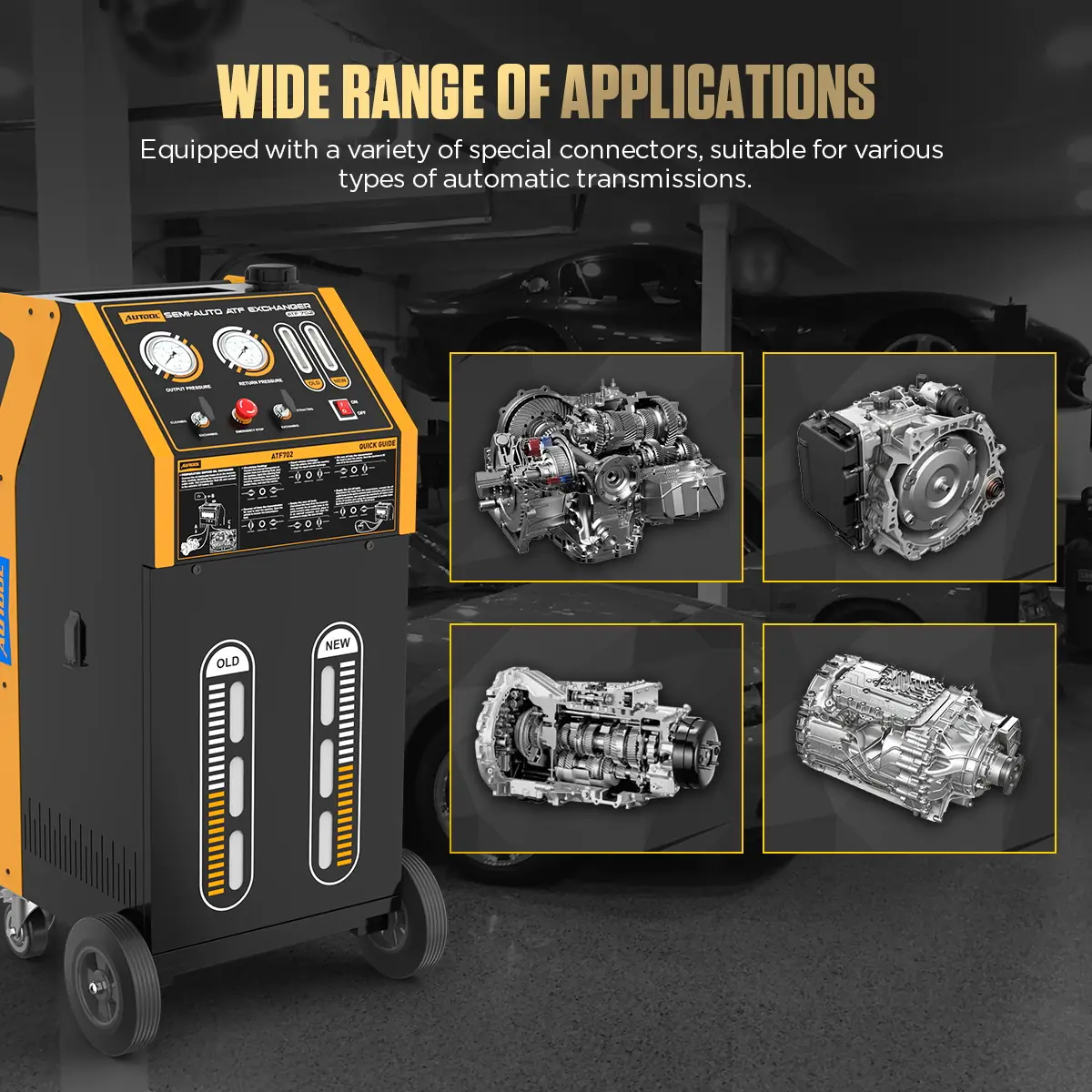
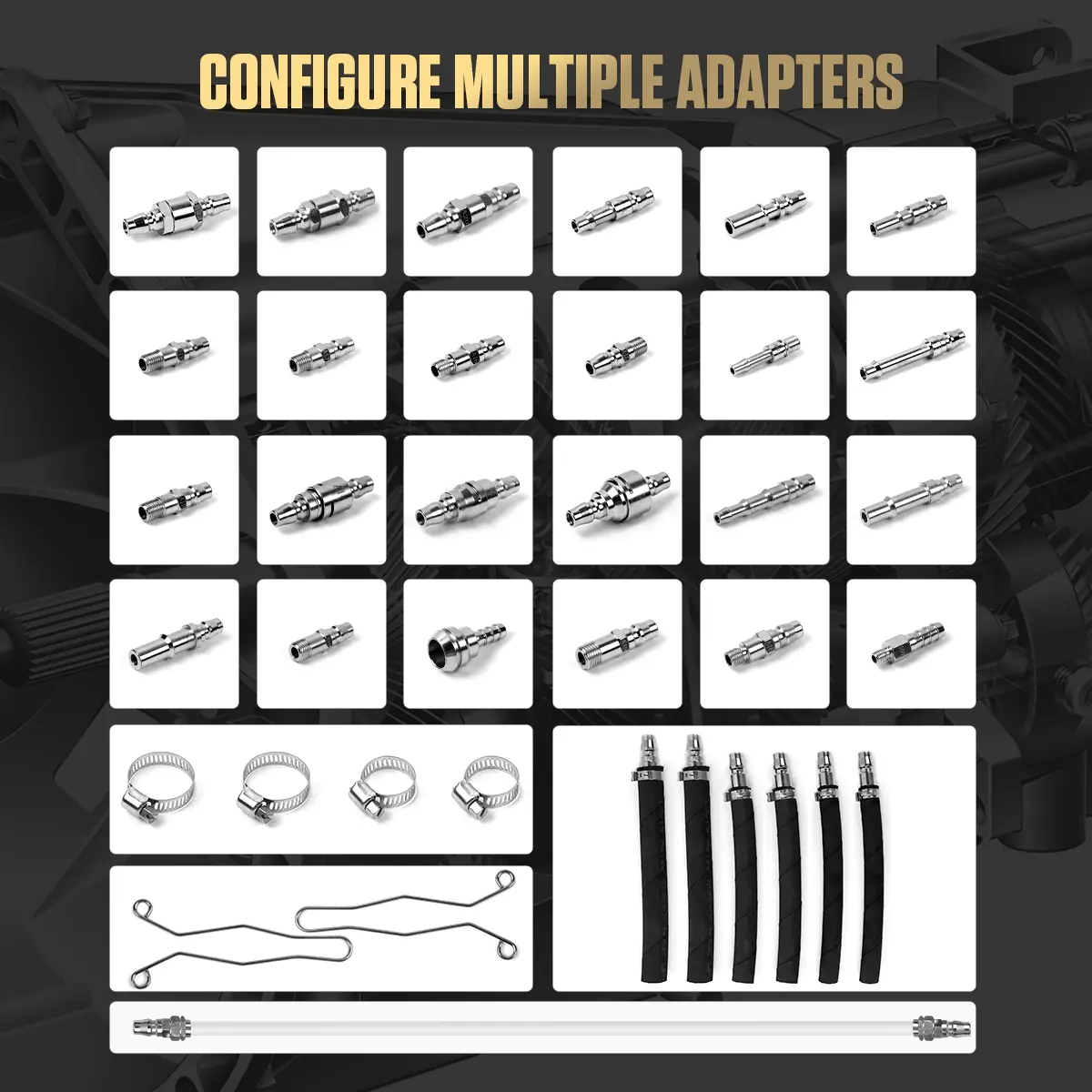
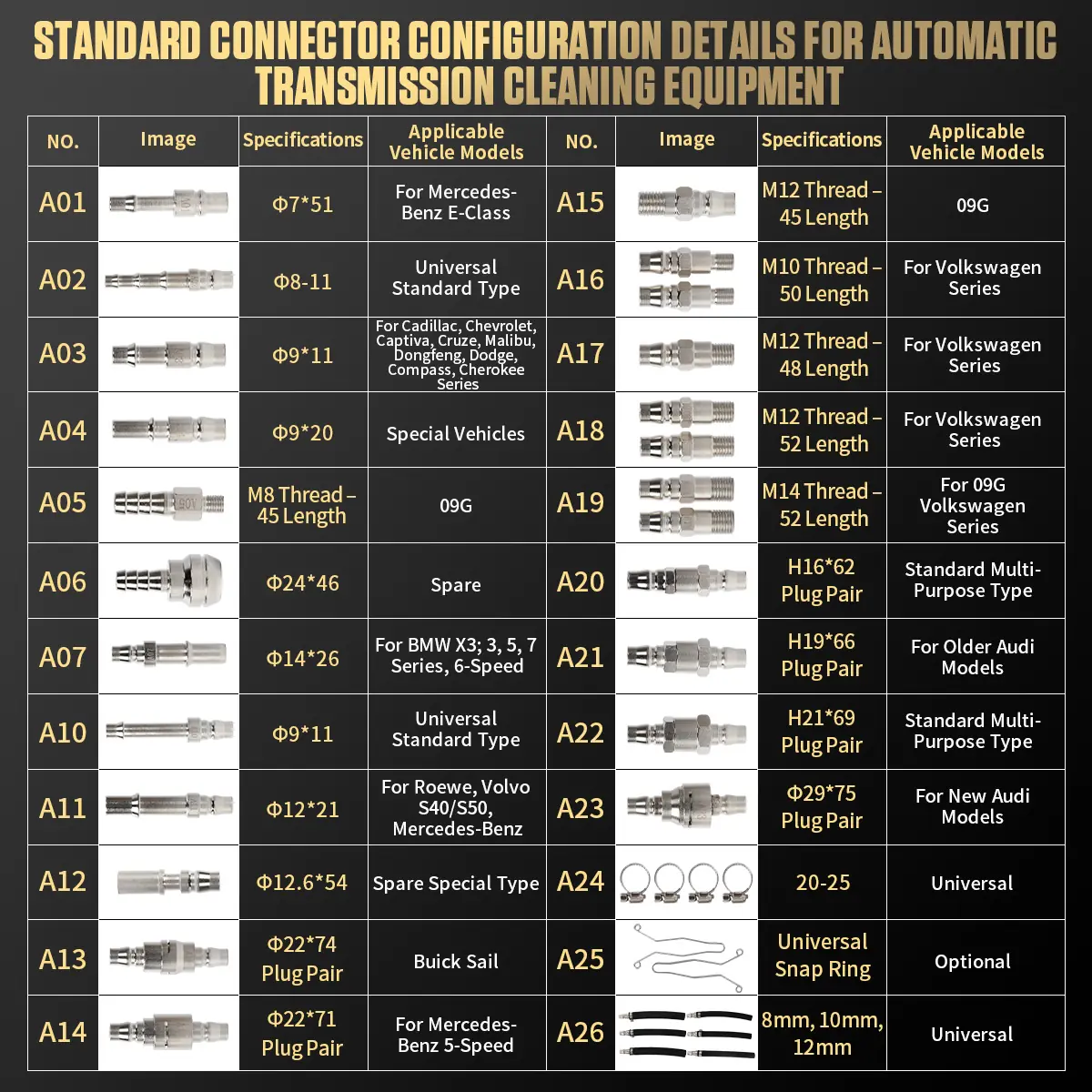
- Transmission line adapters, fittings and clamps in a case
- Clear connecting tube
- User manual
How to Use
- Prepare before first useCheck accessories, fill the new-fluid tank with the specified ATF and keep the used-fluid container empty.
- Draw new ATFPut the clear tube in the external container, set Valve 1 and Valve 2 per the labels, connect 12 V power and switch on.
- Run circulating flushingSecure the vehicle, fit the correct adapters, confirm inlet and return flow, and follow the permitted selector sequence.
- Exchange the fluidSwitch to exchange mode and watch tank levels, fluid windows, pressure and transfer balance.
- Shift through the gearsDo so during flushing and exchange as the manual and vehicle procedure require.
- Set the fluid levelReconnect the line, restart the engine, shift to Park and top up at the specified temperature and conditions.
- Inspect for leaksCheck every opened connection; where suitable, drive about 1 km and inspect again.
Valve positions, flow balancing and troubleshooting: ATF702 user manual (PDF).
Good to Know
Caution
- Secure, brake and lift the vehicle before opening or reconnecting transmission fluid lines.
- Adapter fitment depends on the transmission’s line layout; confirm it before service.
- Run the engine only briefly to identify flow direction before the final connection, and use only the gear positions and dwell times the vehicle procedure allows.
Care
- Connect to a fully charged 12 V battery before operation.
- Do not judge completion by fluid color alone; confirm transfer balance and set the final level by the vehicle procedure.
FAQ
How much new ATF should I prepare?
The manual uses about 12 kg as a starting amount for the first machine fill; match the actual amount to the vehicle’s service requirement.
What if new ATF flows more slowly than used ATF?
Reduce used-fluid flow with the valve on the return line until output and input stay balanced.
How long should circulating flushing run?
When the service procedure calls for it, more than 20 minutes, with the engine running and gears shifted as required.








 English
  German
  Spanish